
The Most Common Wedding Timeline Bottlenecks
Most wedding timelines don’t fall apart because of one big mistake. They start to unravel because of small, very normal delays that stack on top of each other.
From a photographer’s perspective, there are a few parts of the day where timing issues pop up more often than others. Not because anyone did anything wrong — but because weddings involve people, emotions, and real life. The good news is that most timeline bottlenecks are predictable, which means they’re also avoidable with a little planning and communication.
Hair & Makeup Is the Most Common Bottleneck
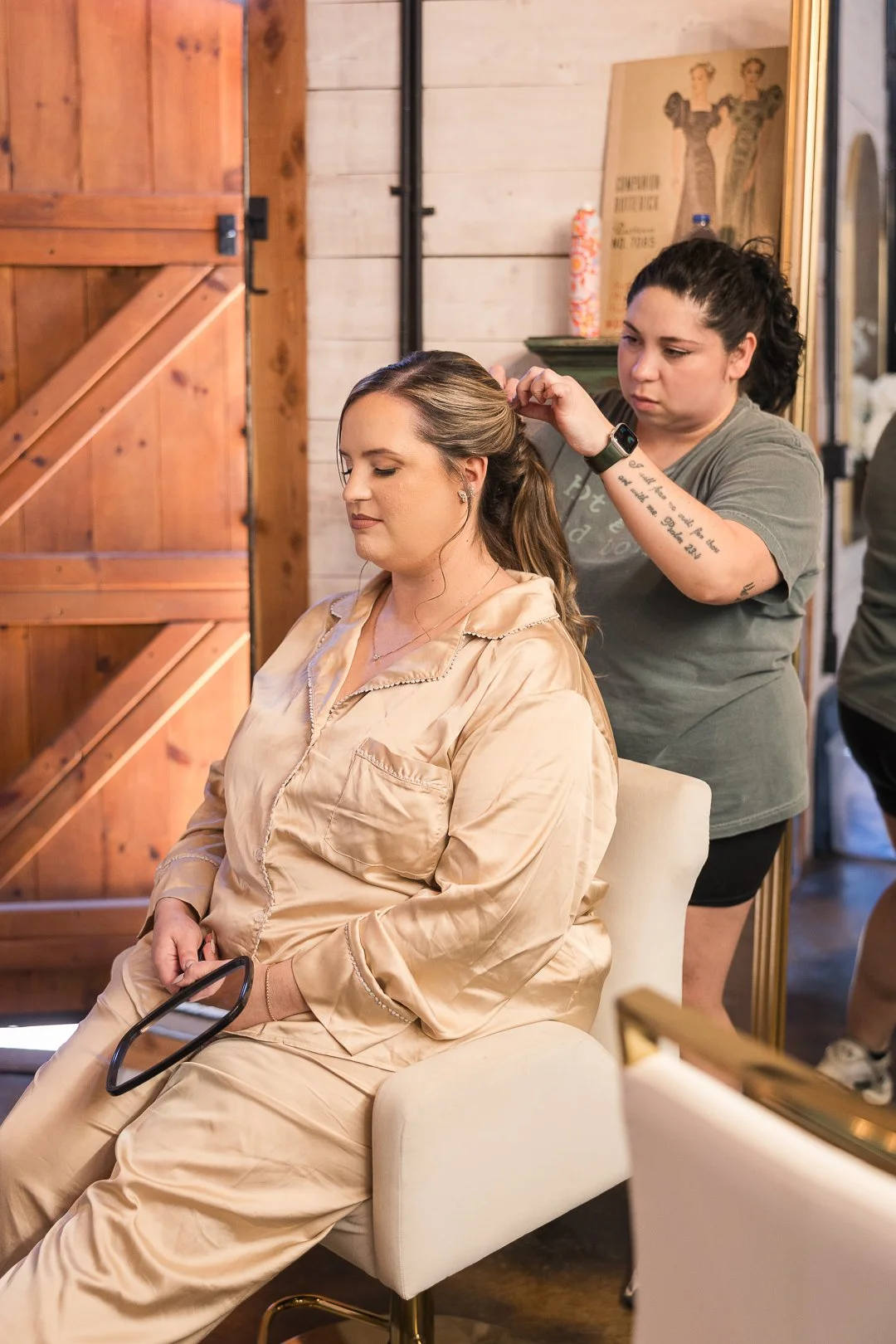
Hair and makeup is, by far, the most common place where timelines start to slip — and it’s almost never because of poor planning or lack of effort. Sometimes the hair just isn’t “hairing.” A bridesmaid has a breakout. Lashes won’t cooperate. Someone needs a quick redo. It’s life, and it happens even with the best hair and makeup teams. The key is building a timeline that expects things to take longer than planned.
A few things that help avoid stress here:
Overestimate how much time hair and makeup will take
Clearly communicate who is going when so there’s no confusion
Avoid scheduling the bride or the mother of the bride last, since delays tend to snowball
When hair and makeup runs long, it affects everything that comes after it. Giving this part of the day extra breathing room pays off in a big way.
Family Photos Can Stretch Longer Than Expected
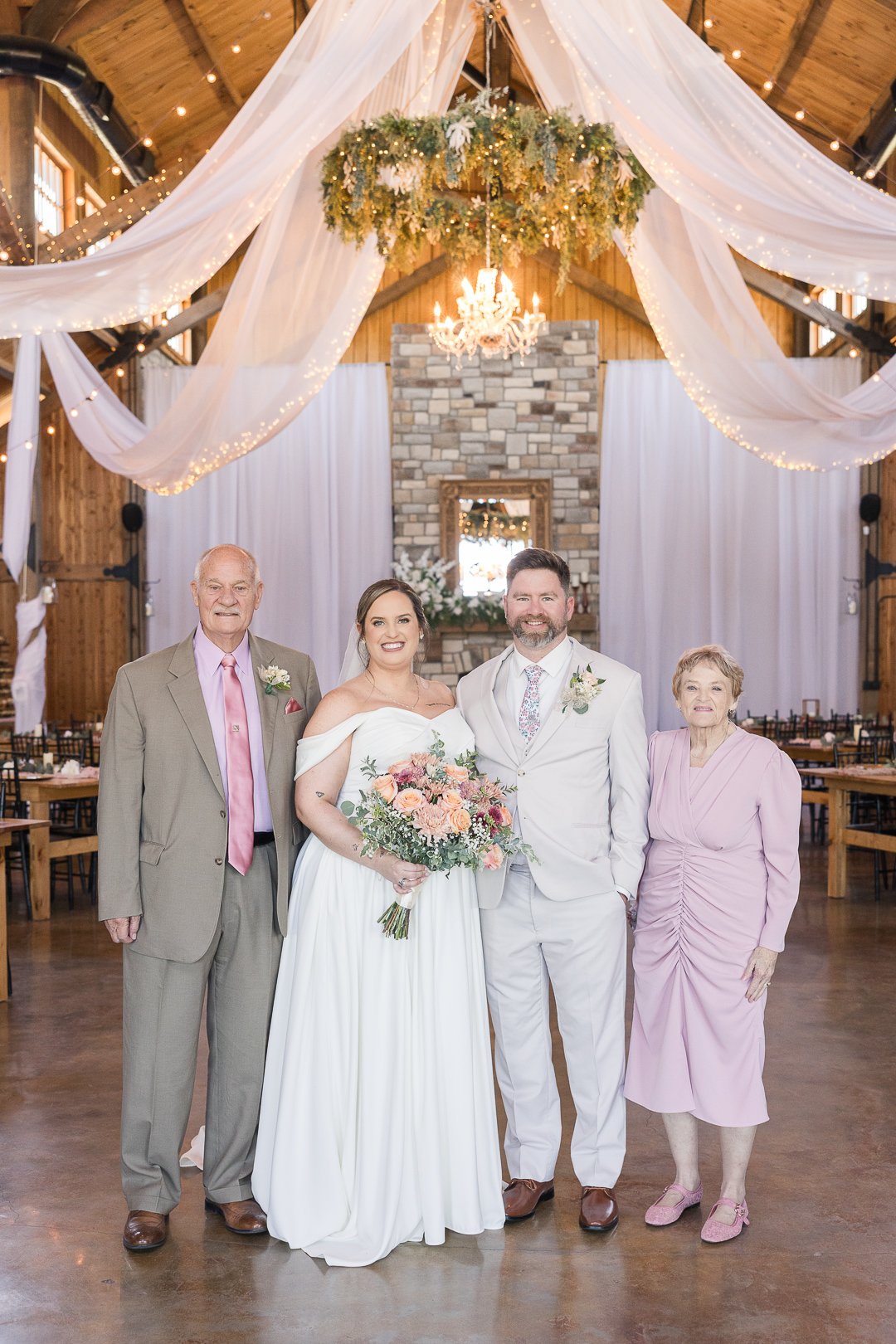
Family photos are another very common timeline bottleneck — not because they’re disorganized, but because they involve a lot of people. Delays usually happen when someone doesn’t realize they’re needed for photos, wanders off, or when additional groupings are requested on the spot. None of that is unreasonable, but it does need to be accounted for.
To keep family photos running smoothly:
Communicate clearly who needs to stay for photos
Let your photographer know whether you want to stick strictly to a shot list or allow additional combinations
Make sure flexibility (if desired) is built into the timeline
There’s no right or wrong approach here. What matters is that your photographer knows your expectations ahead of time so the timeline reflects them accurately.
Dinner and Reception Delays (Less Common, But Possible)
Dinner delays don’t happen as often, but they can still affect the flow of the evening. This usually comes down to catering timing, extended speeches, or transitions taking longer than expected. When this happens, flexibility and communication matter most. A small delay during dinner doesn’t usually derail the rest of the night, especially if everyone is on the same page. From a photography standpoint, it’s rarely a major issue — but it’s still helpful to build a timeline that allows for small shifts without feeling rushed afterward.
Why Buffer Time Solves Most Problems
Almost every timeline bottleneck becomes manageable when there’s buffer time built in. Buffer time allows moments to breathe, people to move naturally, and small delays to resolve themselves without panic. It’s what keeps a day from feeling rushed even when things don’t go exactly as planned. This is also where experience matters. An experienced photographer knows how to use buffer time wisely, adjust priorities if needed, and keep the day feeling calm — even when the schedule shifts a little.
Final Thoughts
Timeline bottlenecks are incredibly common, and they’re not a sign that something has gone wrong. They’re simply part of planning a day that involves real people and real moments. When you overestimate time, communicate clearly, and build in flexibility, most delays become minor — and often barely noticeable. A thoughtful timeline doesn’t aim for perfection. It aims for flow. And when the timeline flows well, the entire day feels easier to enjoy.