
What a Wedding Photographer Does on a Wedding Day
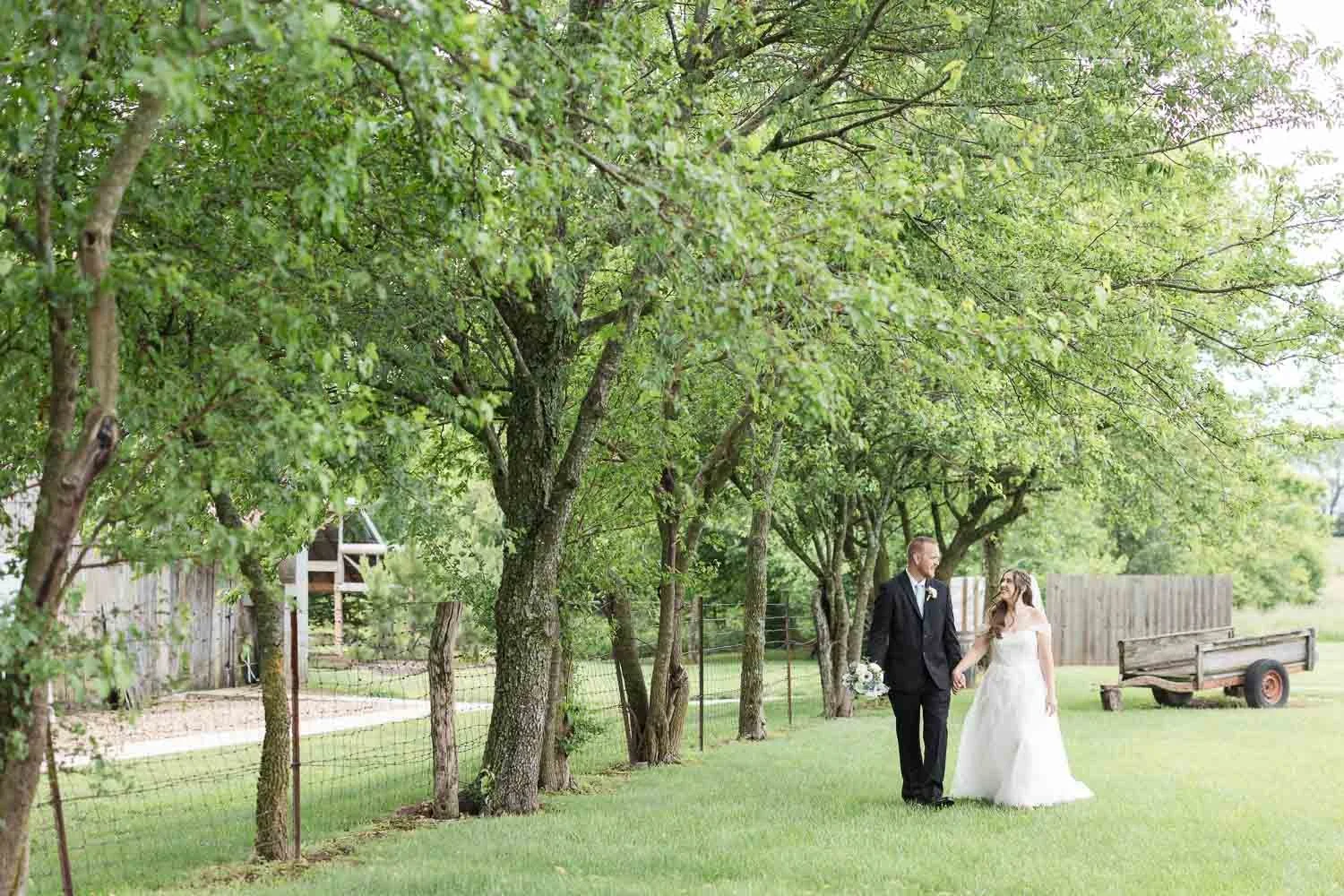
From the outside, wedding photography can look pretty straightforward: show up, take photos, go home. But there’s a lot happening behind the scenes — both before the wedding day even begins and long after it ends. I thought it might be helpful to walk through what a wedding day actually looks like from my perspective, so couples know what’s happening (even when it’s not always visible).
The Day Before the Wedding
The prep starts well before wedding day. The day before, I:
Prep and clean my cameras and lenses
Charge and pack all batteries
Clear and format memory cards
Double-check that everything is working properly
I also review the wedding day timeline and usually screenshot it so it’s easily accessible on my phone. Knowing the flow of the day ahead of time helps me show up calm, prepared, and ready to adapt if needed.
A Few Hours Before Leaving
A few hours before I’m scheduled to leave, I load all of my equipment into my car. I hate leaving this to the last minute — and I especially don’t want to be hauling gear around in nicer wedding-day attire. Getting this done early lets me mentally check one more thing off the list before heading out.
Heading to the Venue
I generally aim to arrive about 30 minutes early, and I leave with enough buffer time to allow for an extra 30 minutes of traffic — just in case. It might sound like overkill, but I would always rather arrive early, get mentally in the zone, and walk the space calmly than rush in feeling frazzled. That extra time helps set the tone for the entire day.
Arriving On Site
When I arrive, the first thing I do is get a lay of the land — especially if it’s a venue I haven’t photographed before. I’m mentally noting:
Portrait locations
Backup options in case of weather
Family photo spots
Lighting throughout the space
About 10–15 minutes before my scheduled start time, I choose a spot to set up for detail photos and unload my equipment there. Then I head to wherever the bride is getting ready to check in and say hello.
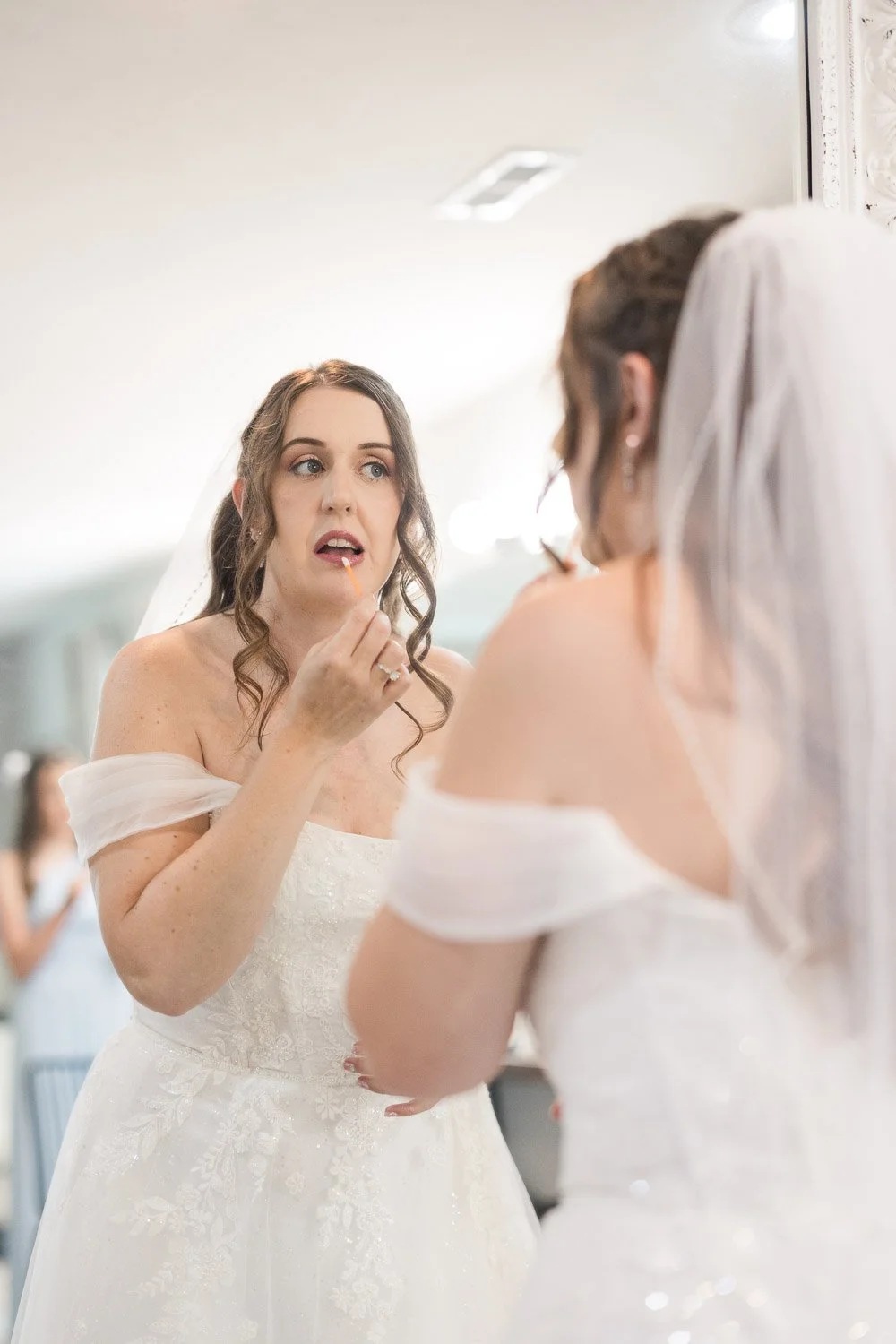
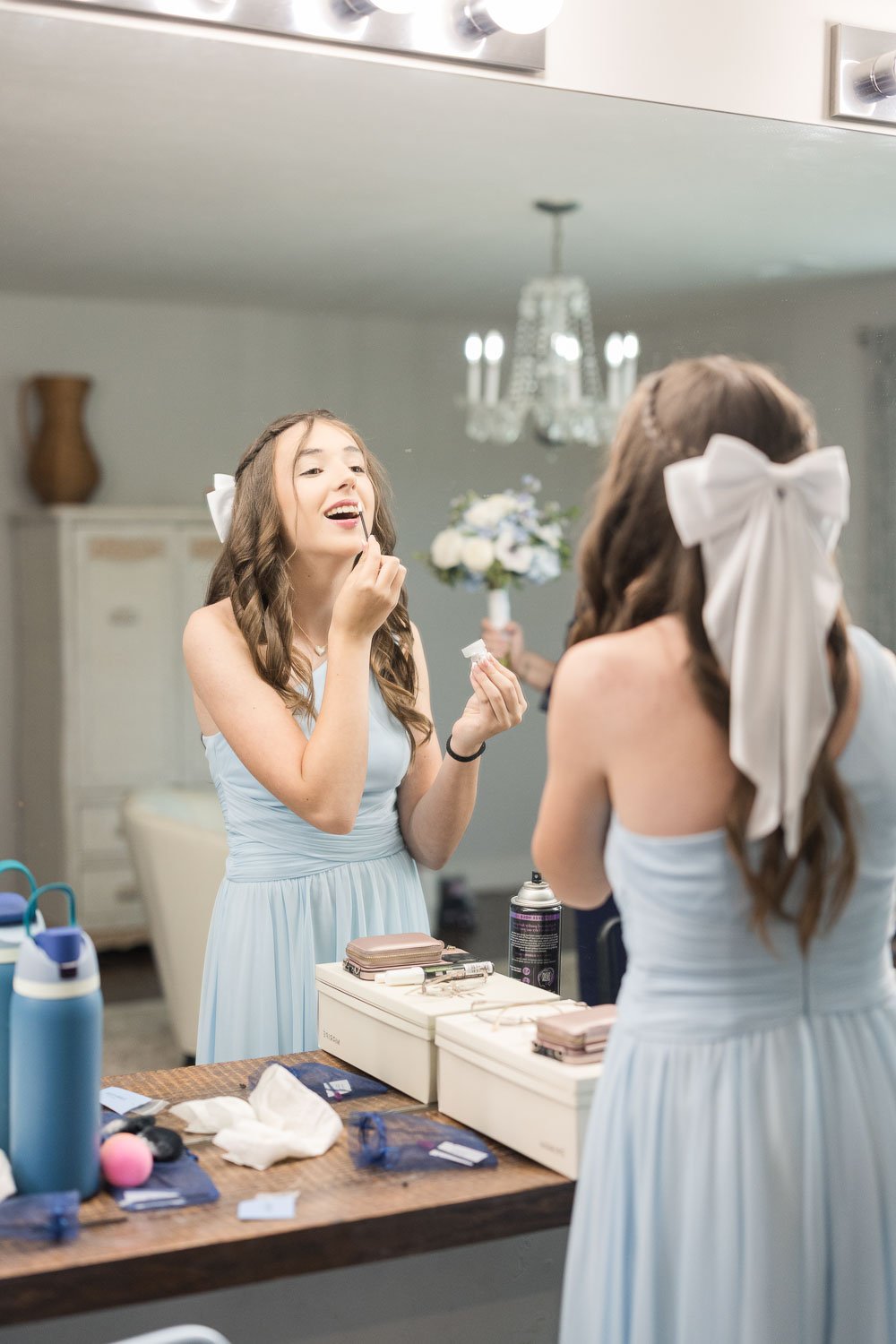
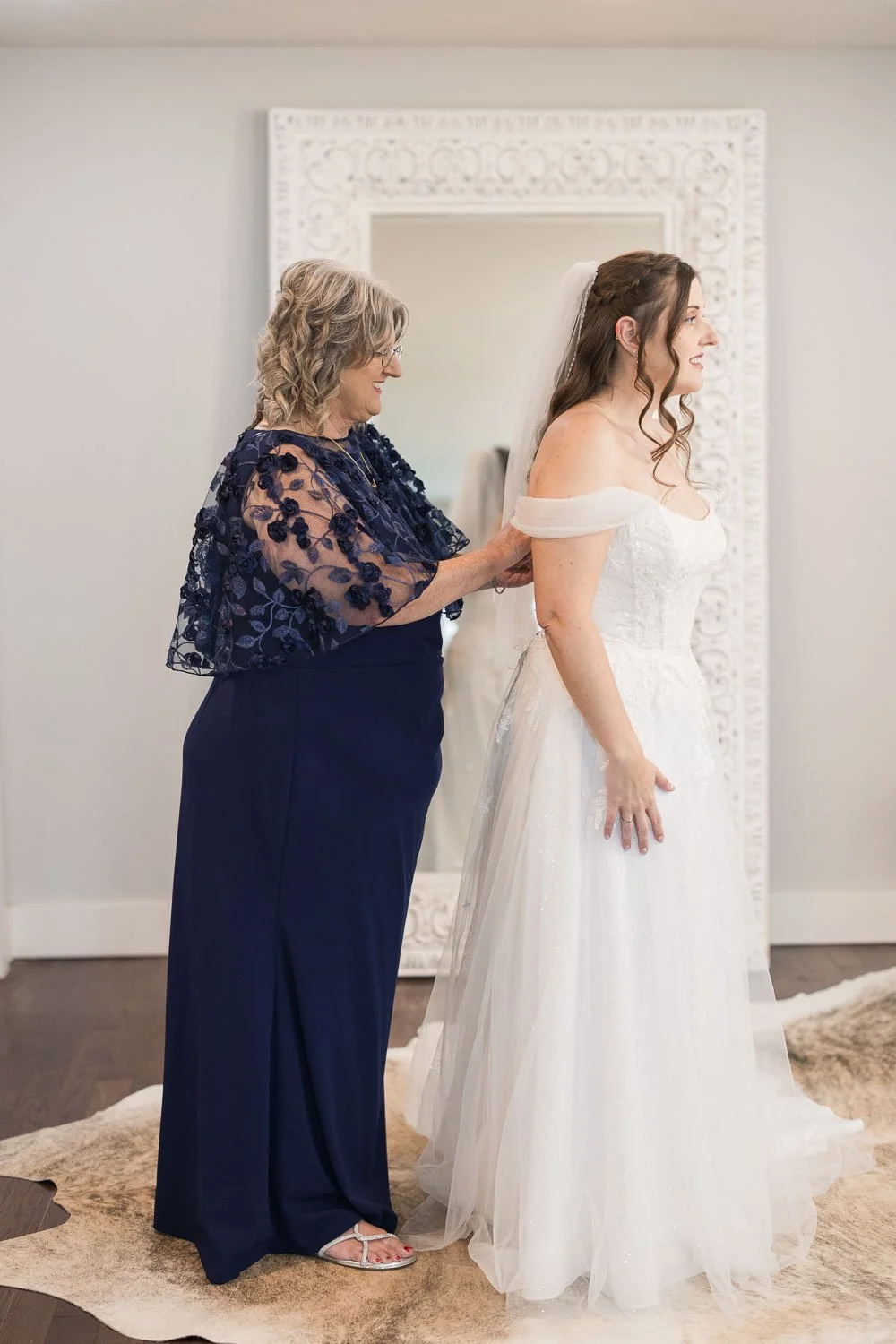
Getting Ready & Detail Photos
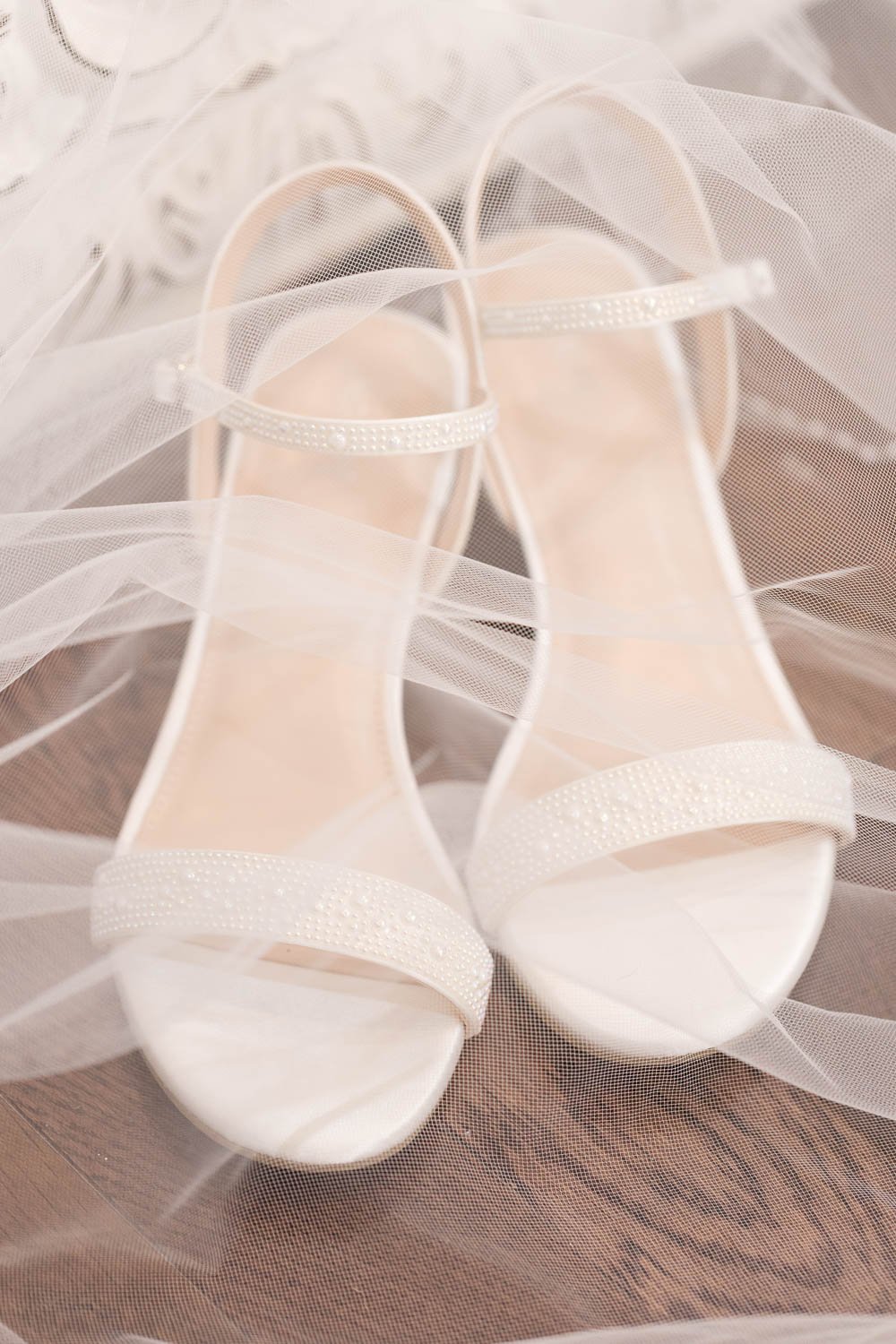
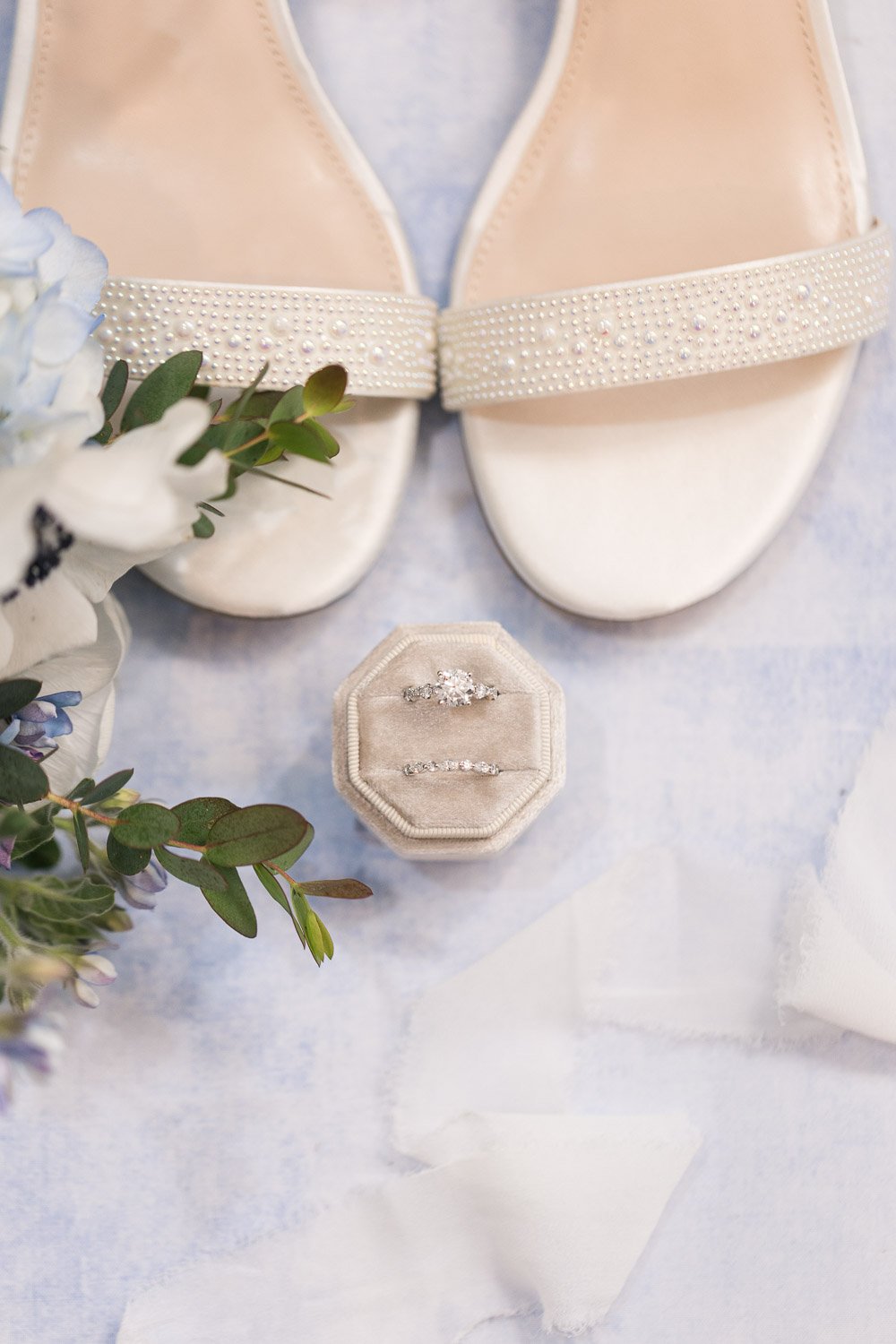
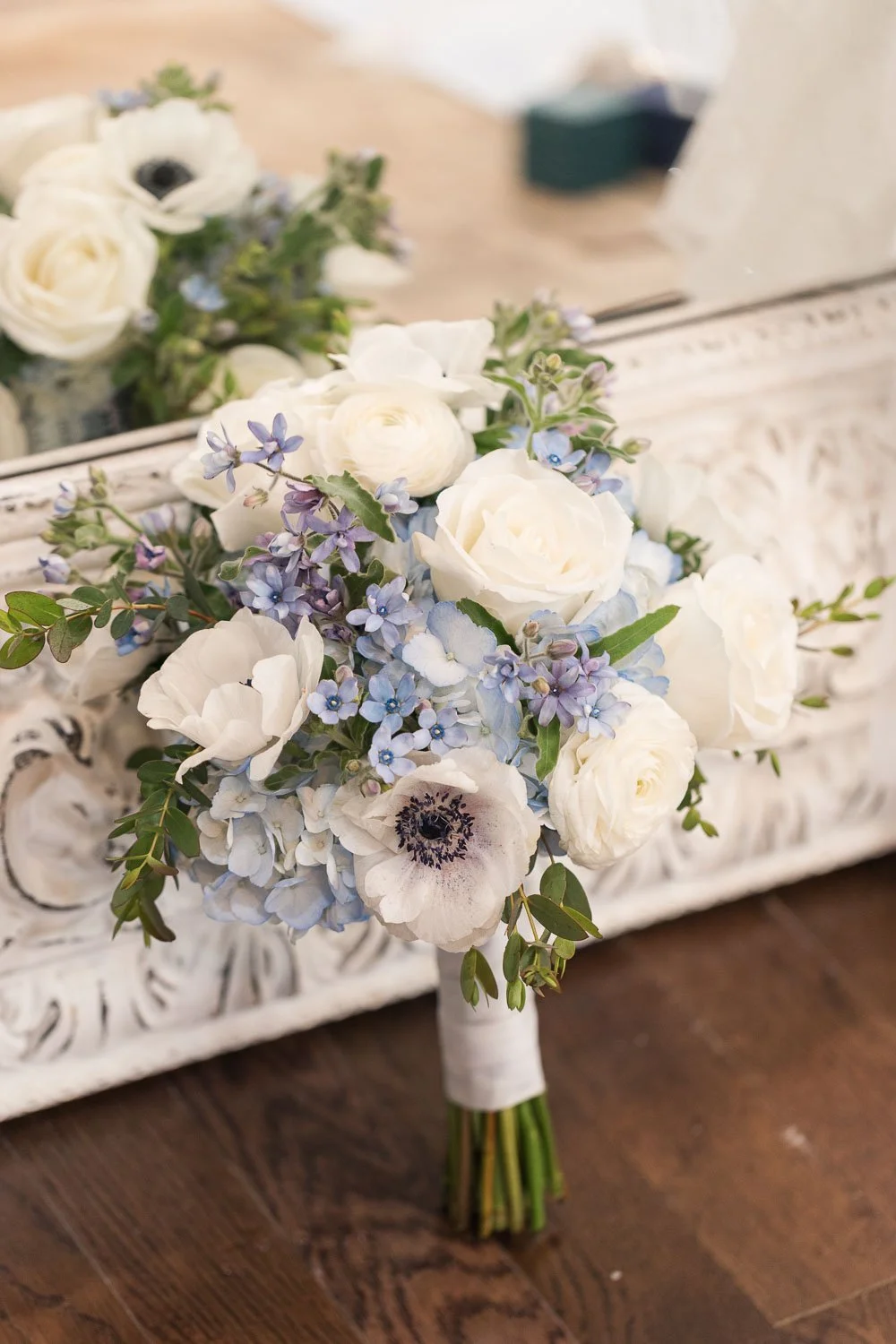
Once I check in, the flow depends on the timeline. Sometimes I start with candid getting-ready photos. Other times, I jump straight into detail photos — rings, invitations, florals, shoes, and meaningful personal items. After details, we move into more posed getting-ready photos. This is also when I quietly:
Shift clutter out of the frame
Move bags or personal items to one spot
Create a clean, flattering space for photos
In between shots, I’m usually checking in on the father of the bride or the groom — whoever is scheduled for a first look first — to make sure they’re ready when the time comes.
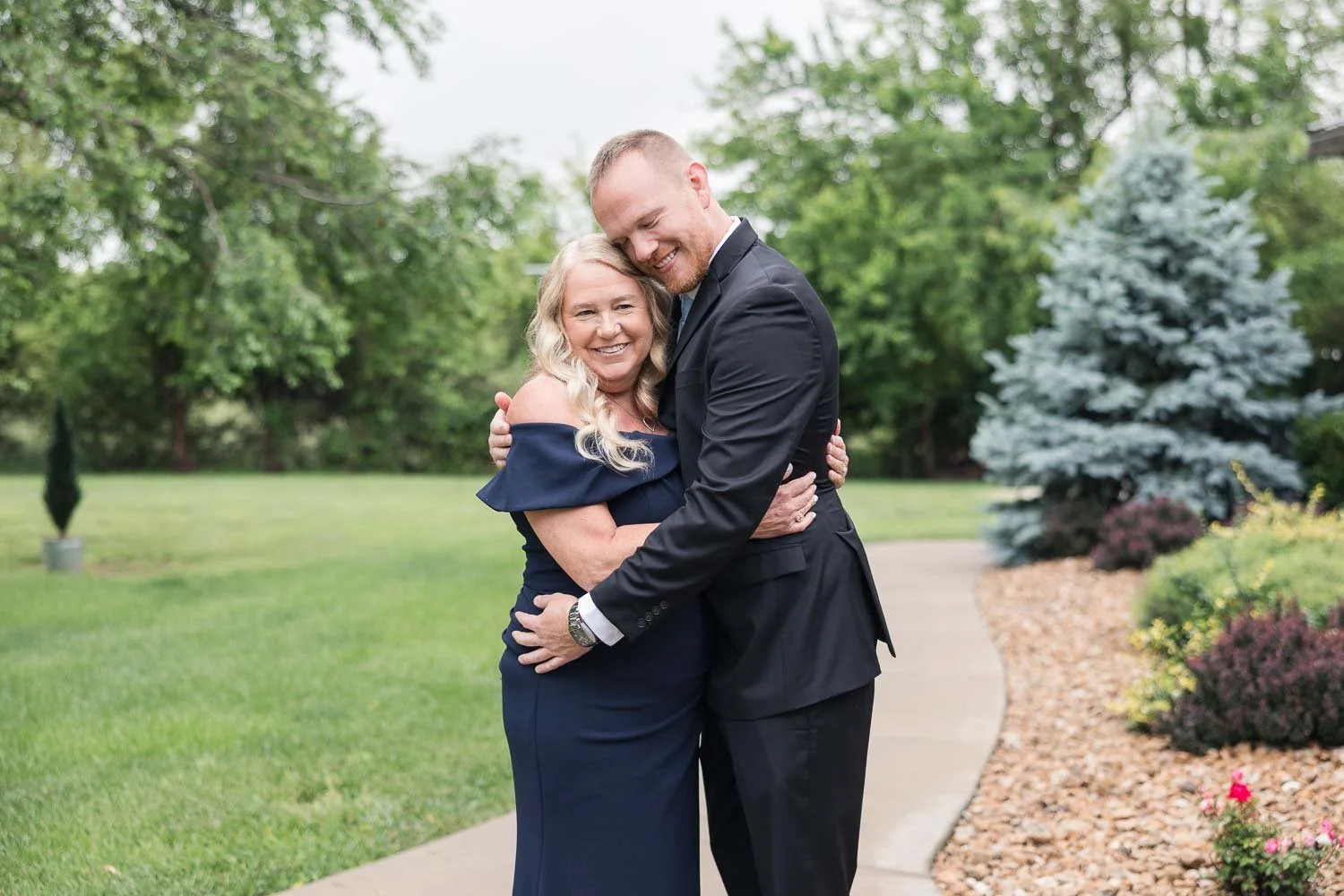
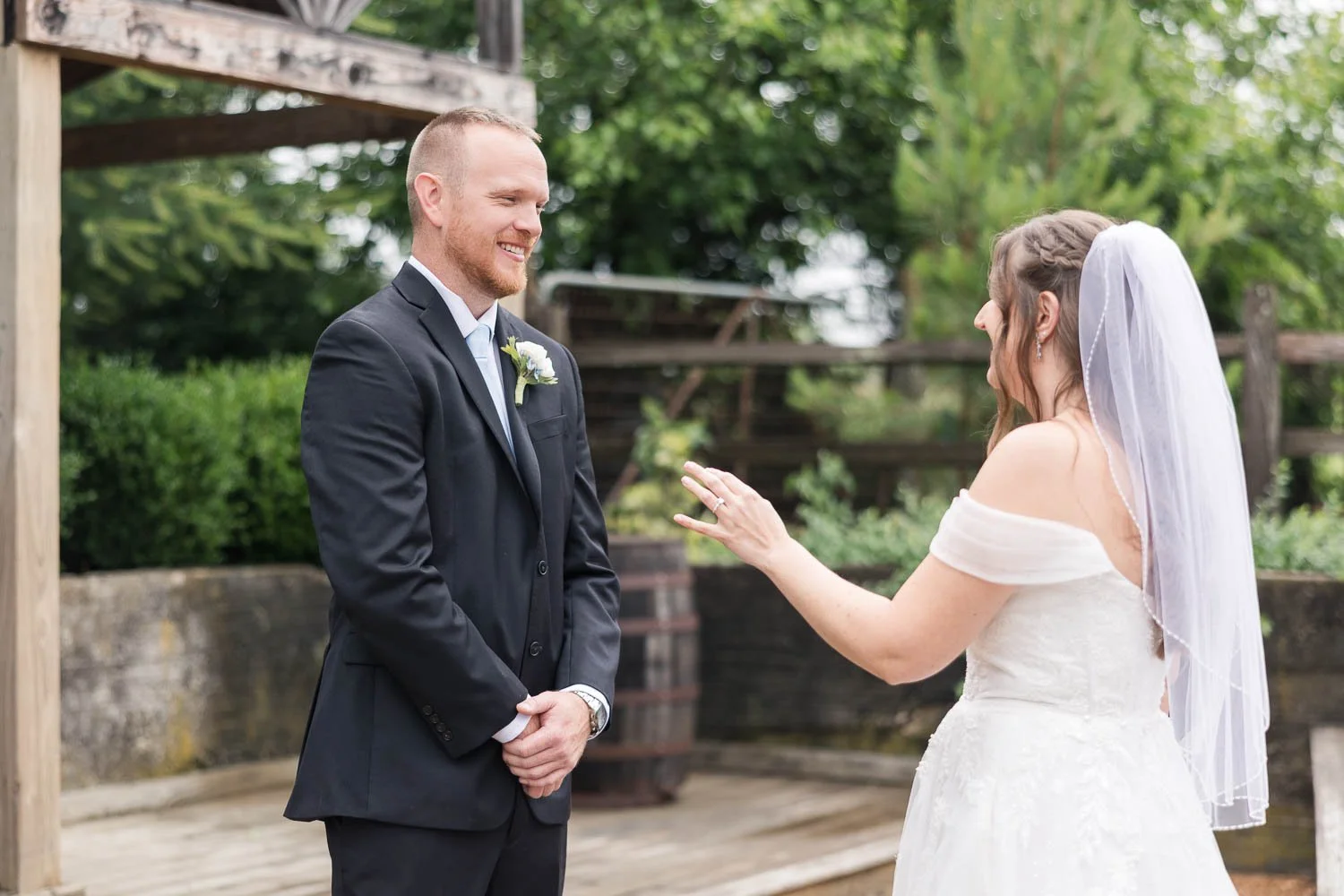
First Looks (Parents & Couple)
For a first look with Dad (or another parent), I:
Place them in good lighting
Give clear instructions on where to stand and which direction to face
Ask them to wait to turn until I say so
I’ll get the bride ready by fluffing the dress, adjusting the veil, and having her tap Dad on the shoulder. Once everything is set, I cue him to turn.
The first look with the groom follows a very similar process — intentional setup, clear direction, and careful positioning so I don’t miss the reaction.
Bridal Party Photos
After first looks (if the couple chooses to do them), we typically move into bridal party photos. This part of the day is all about keeping things efficient without rushing — good lighting, clear direction, and steady pacing so everyone stays relaxed and comfortable.
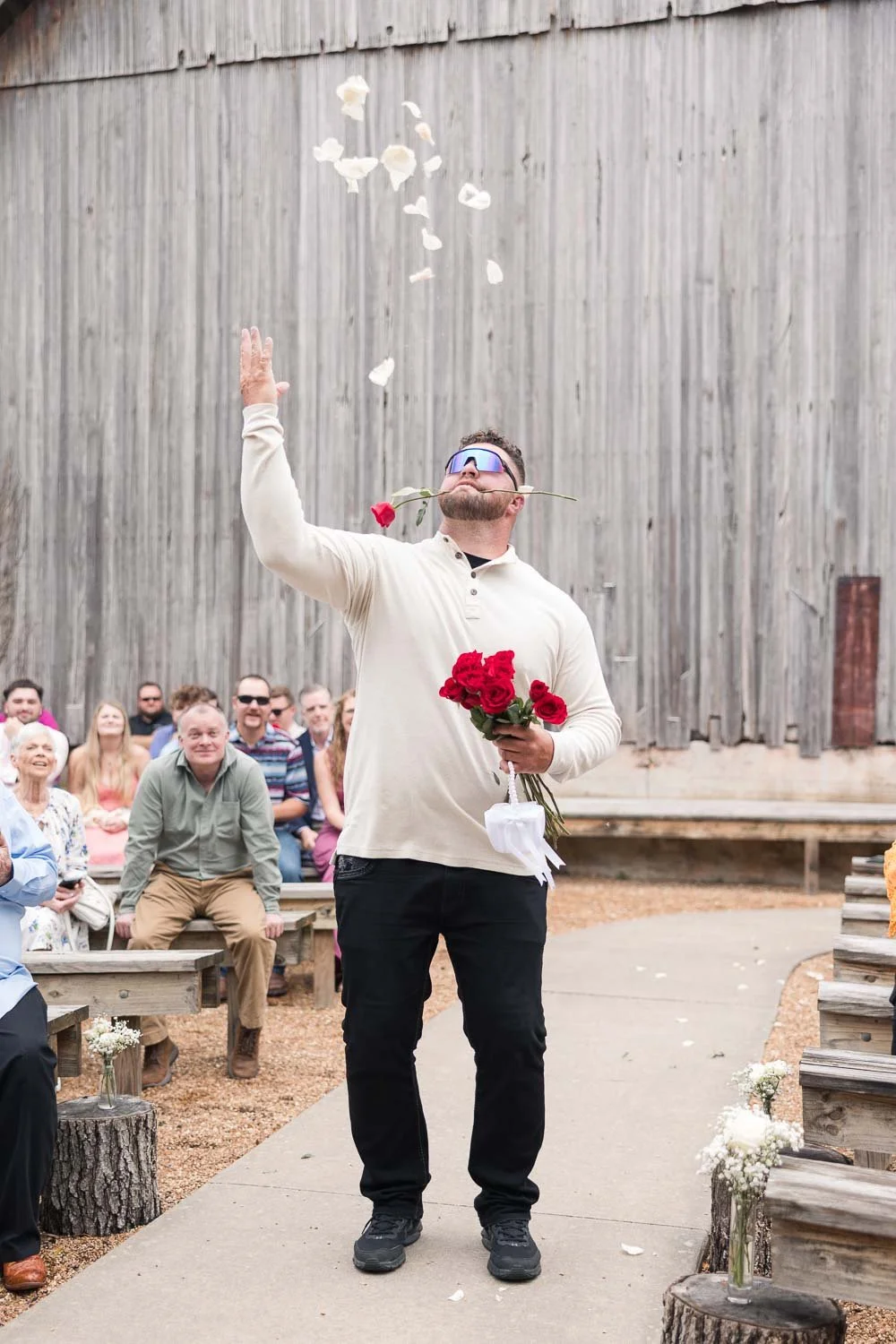
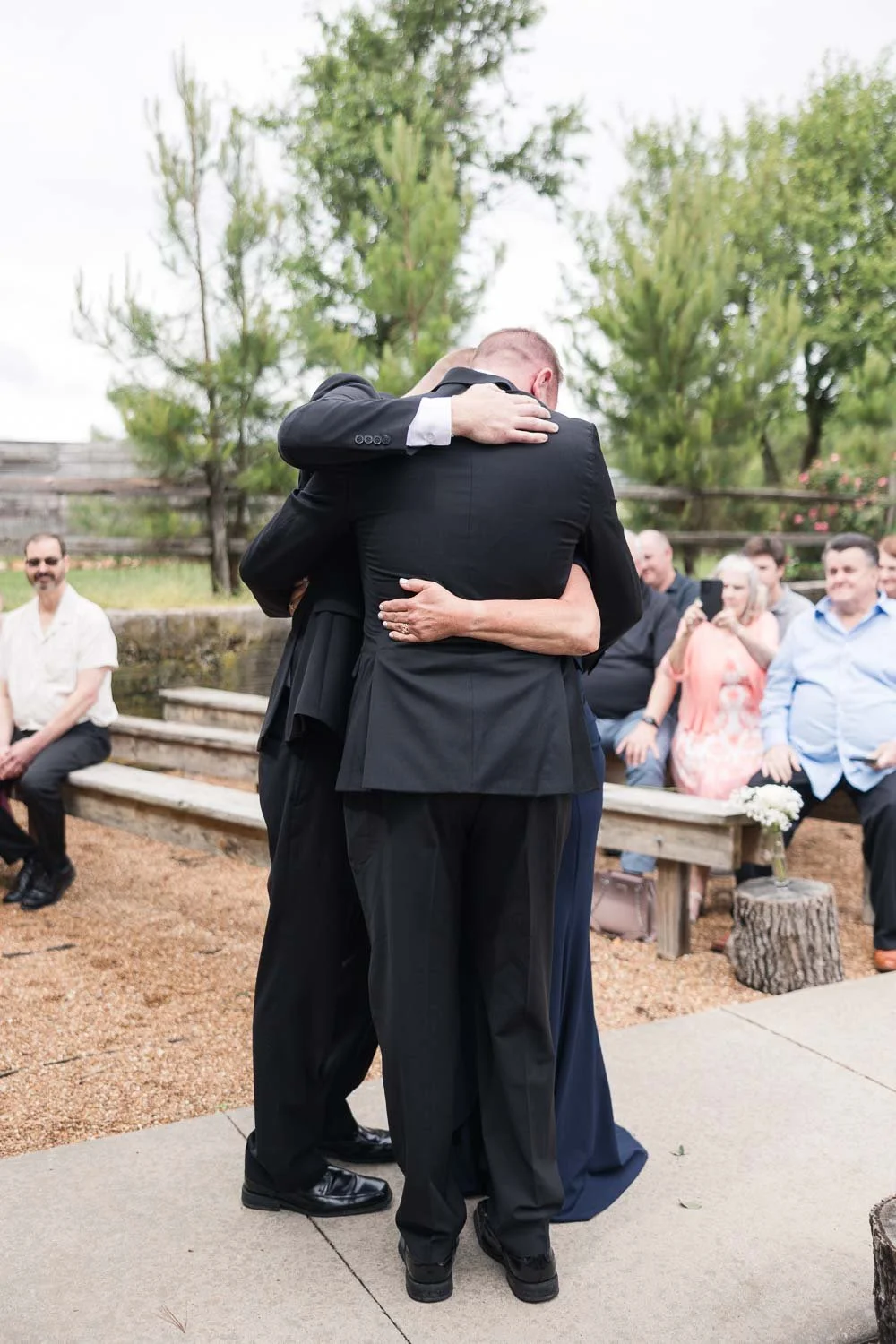
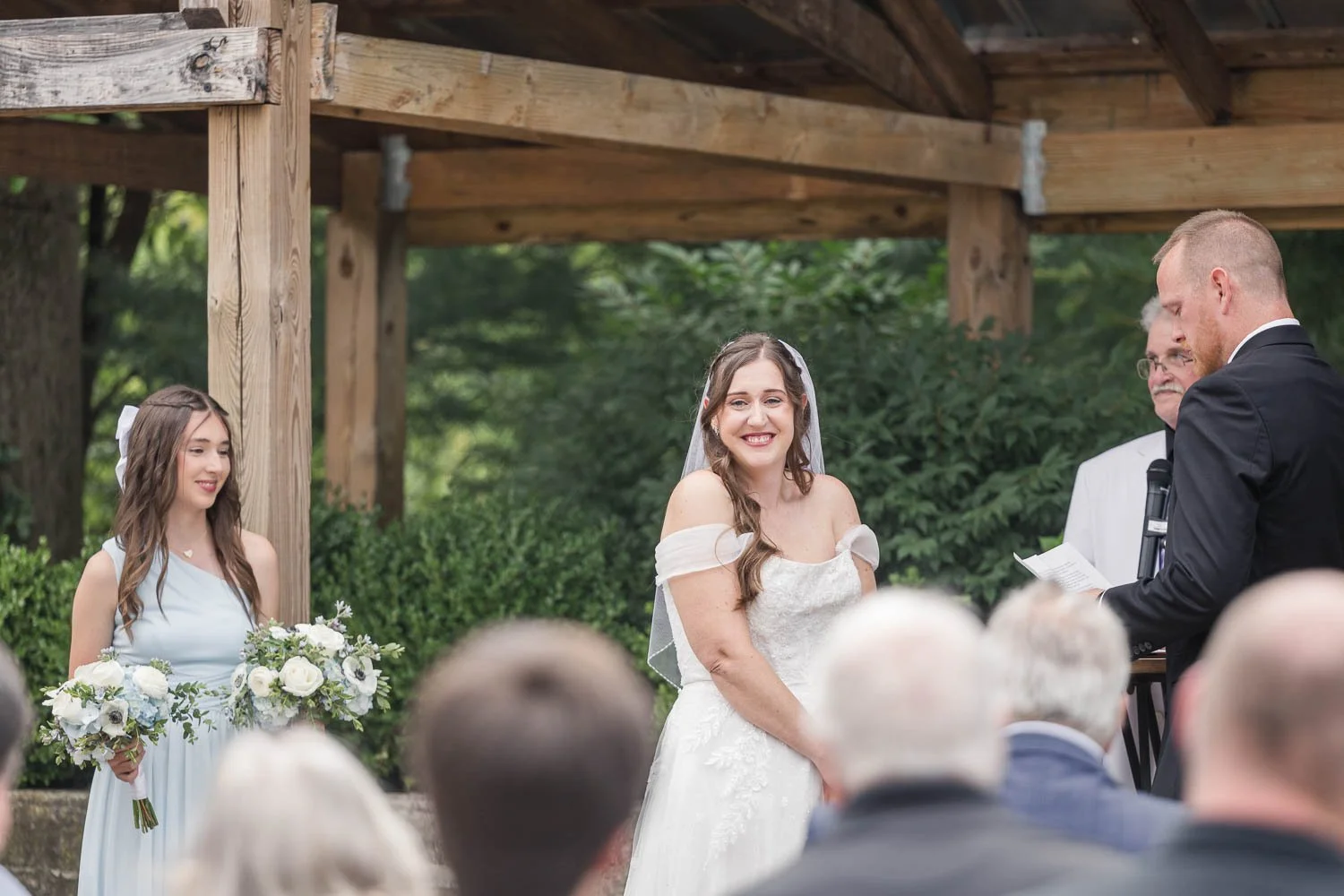
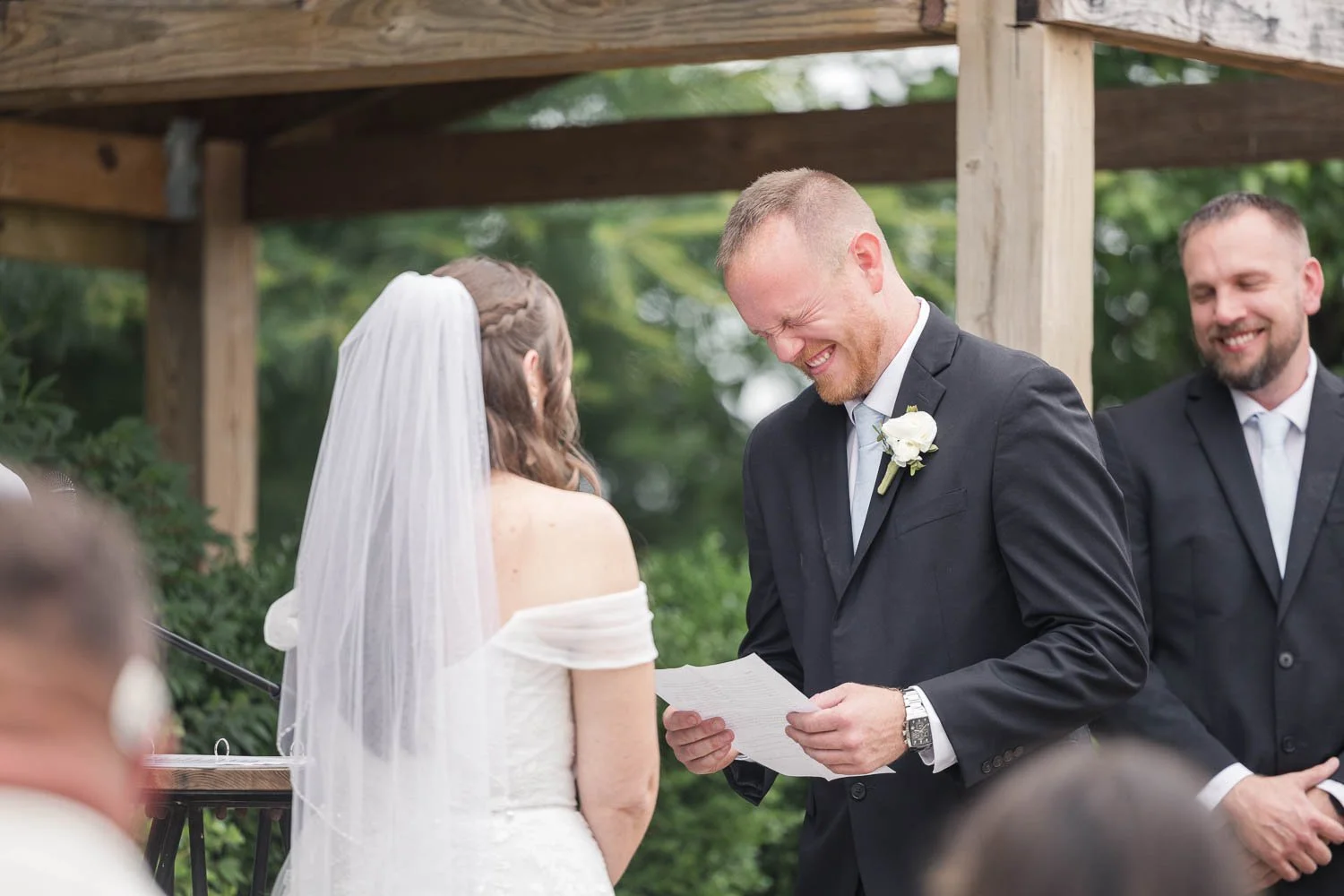
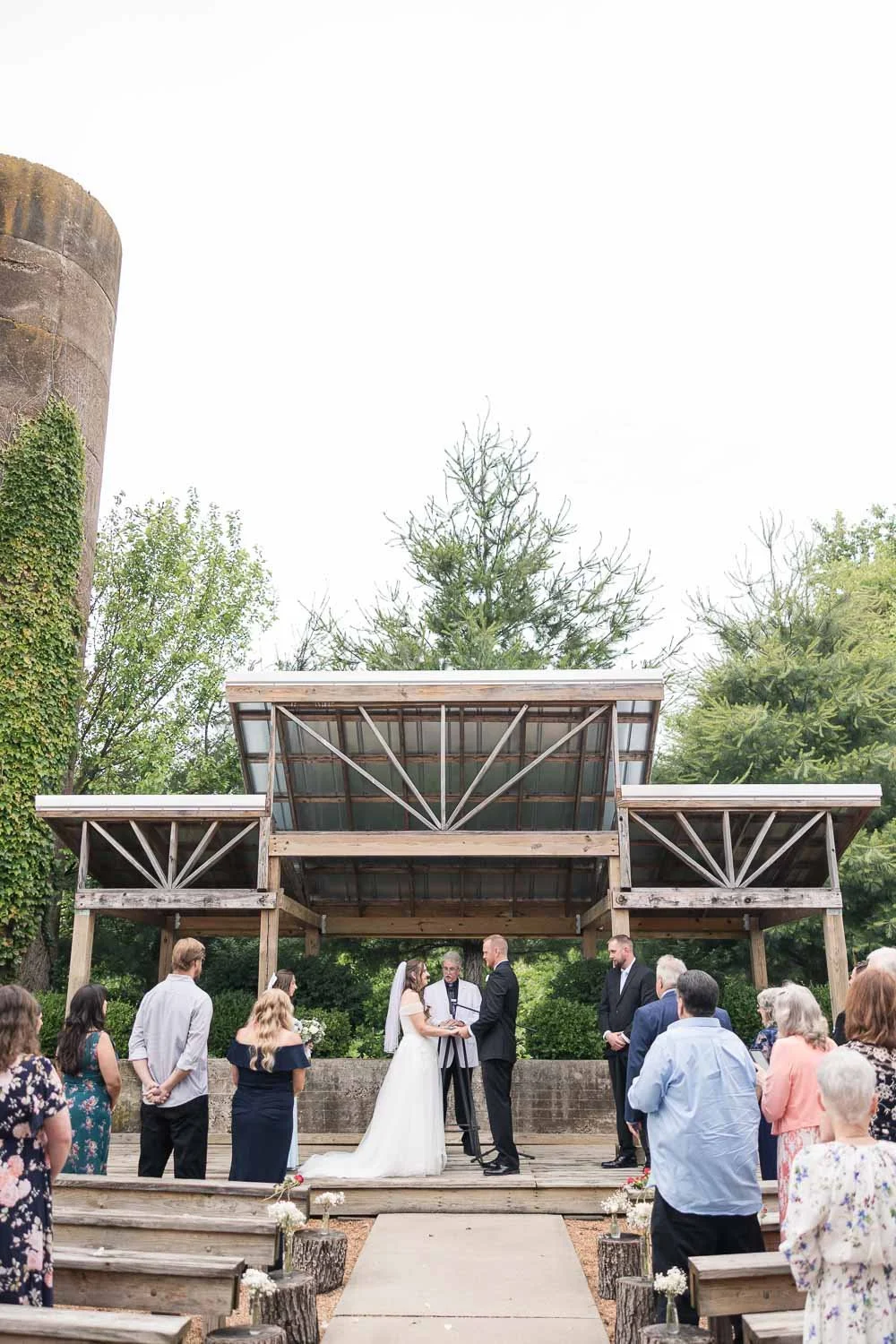
The Ceremony
Before the ceremony begins, I choose my shooting positions ahead of time. During the ceremony, I:
Move discreetly throughout the space
Anticipate moments before they happen
Watch not only the couple, but their families and guests as well
This is one of the most quietly intense parts of the day — there are no do-overs, so everything is intentional and carefully timed.
Family Photos (After the Ceremony)
My personal preference is to do family photos after the ceremony. That way, if someone happens to be running late, it only affects the ceremony — not the photo timeline. Everyone who needs to be in family photos is already present, and we’re not delaying portraits earlier in the day waiting on arrivals. Family photos are all about organization and clarity:
One grouping at a time
Clear direction
Minimal downtime between combinations
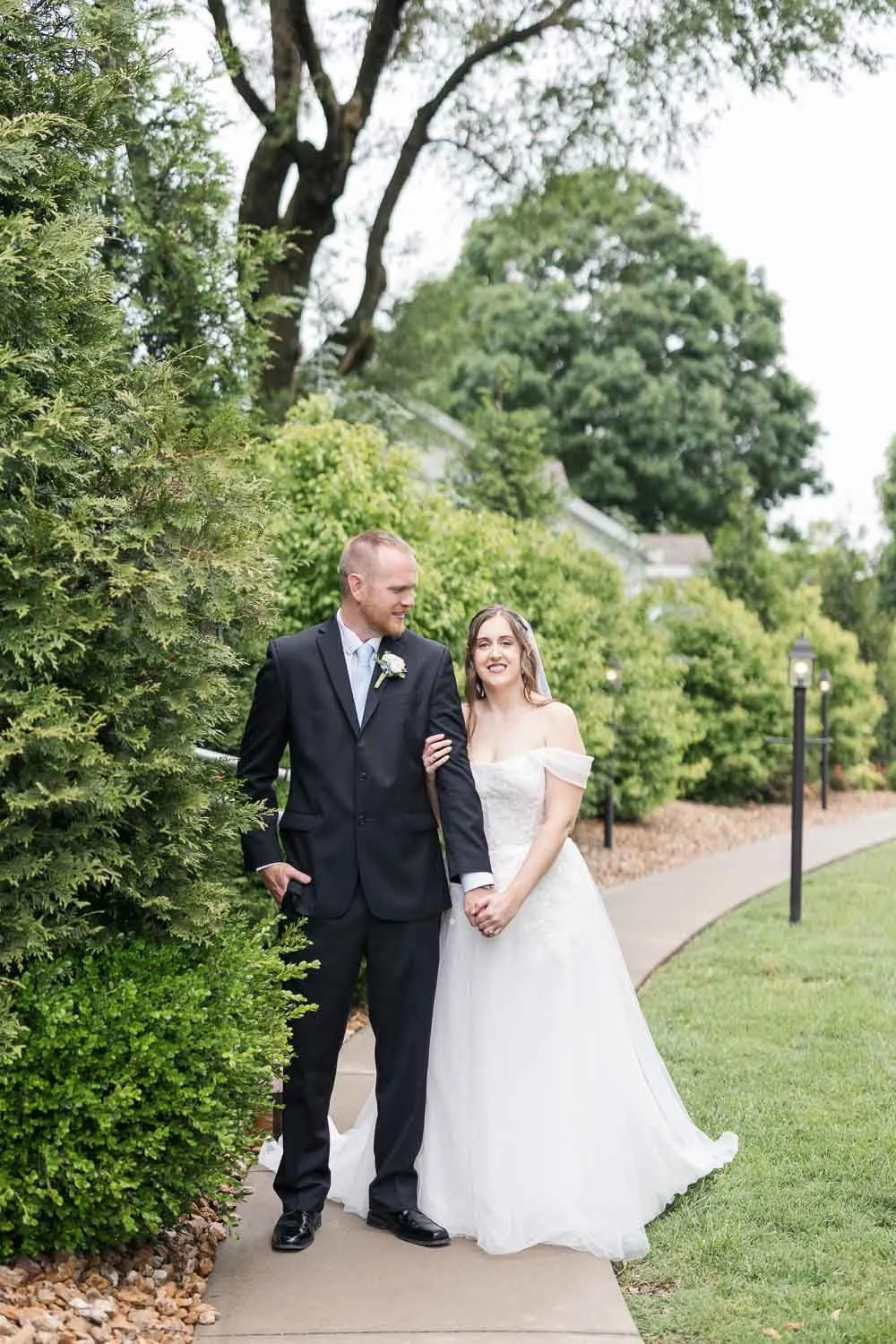
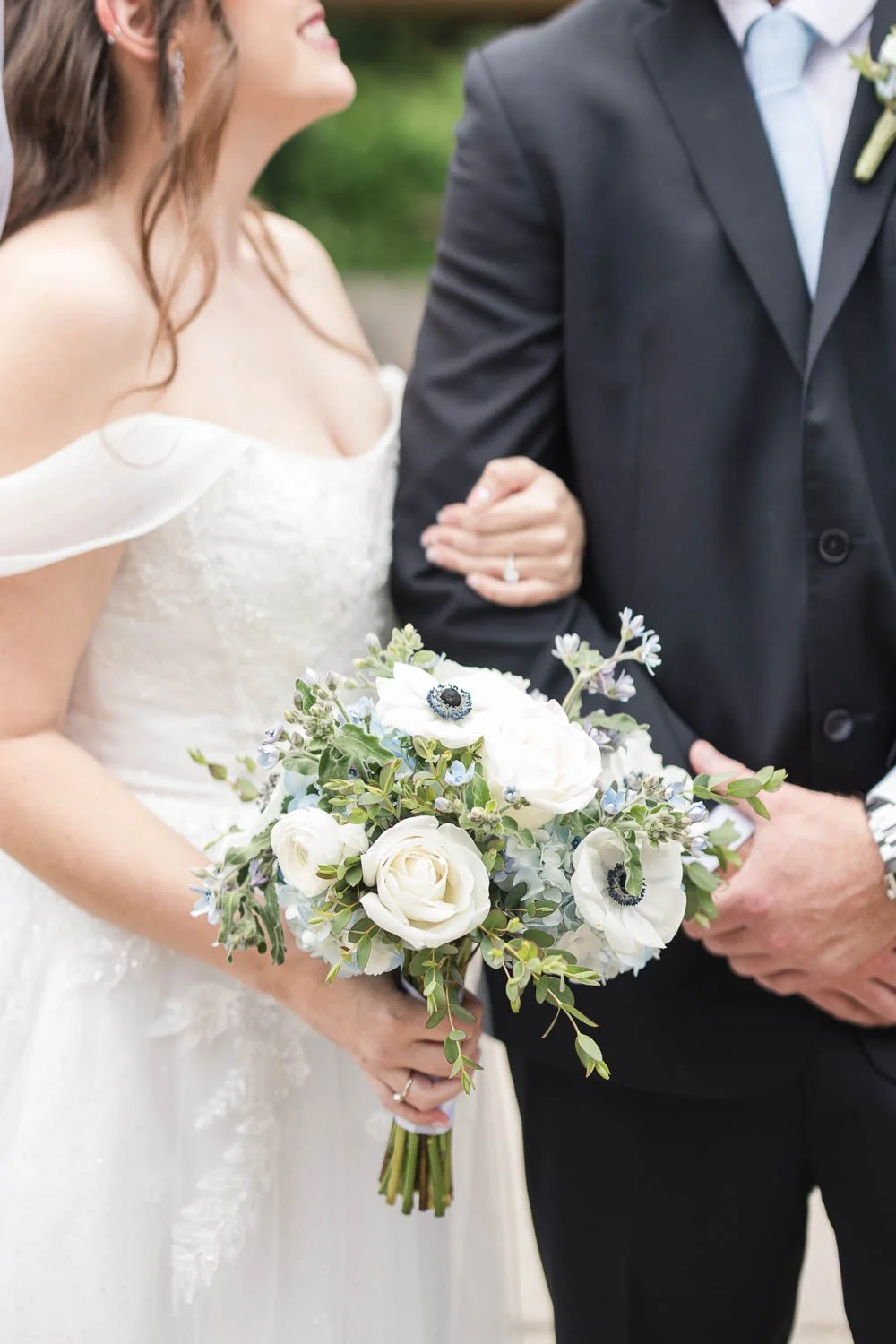
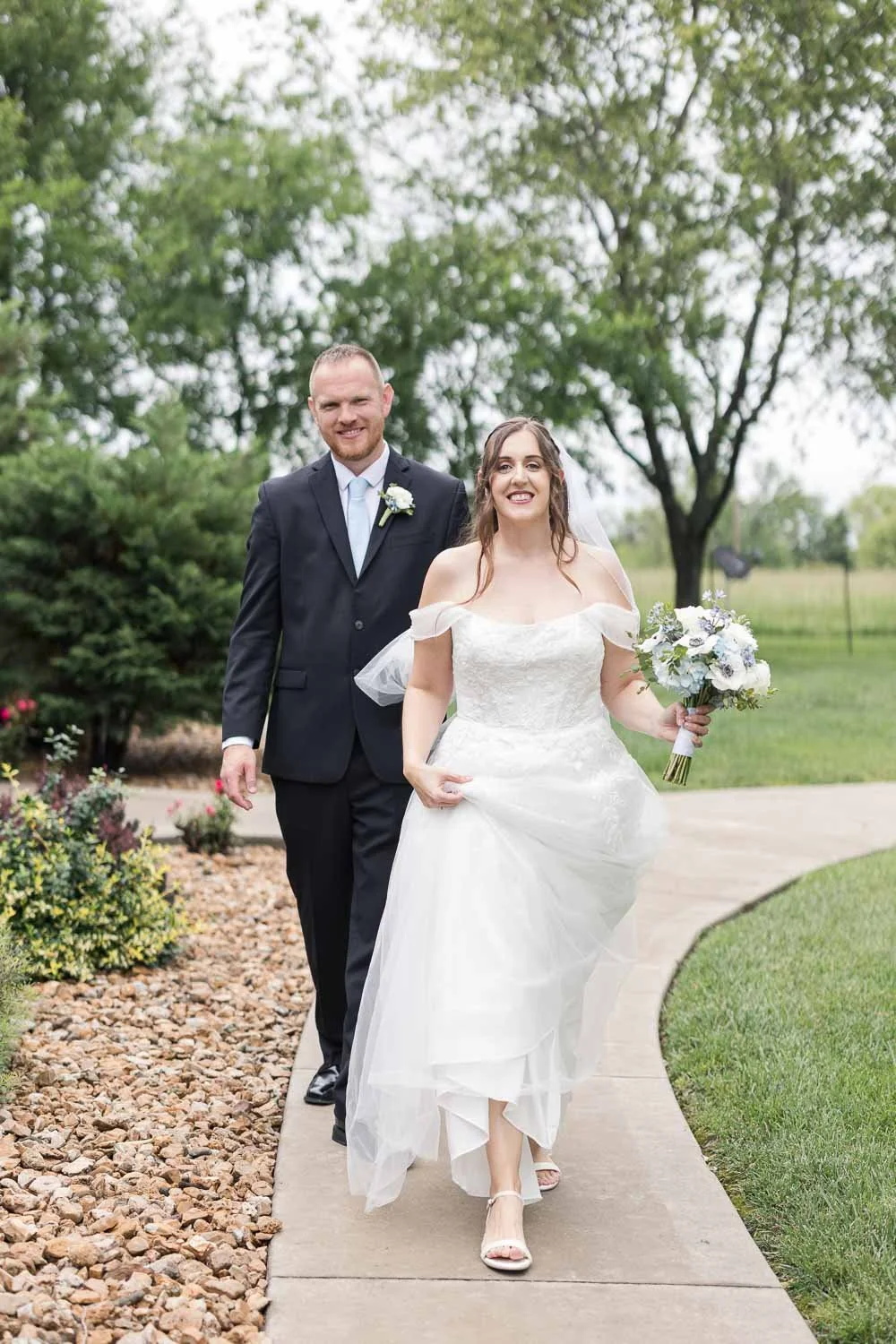
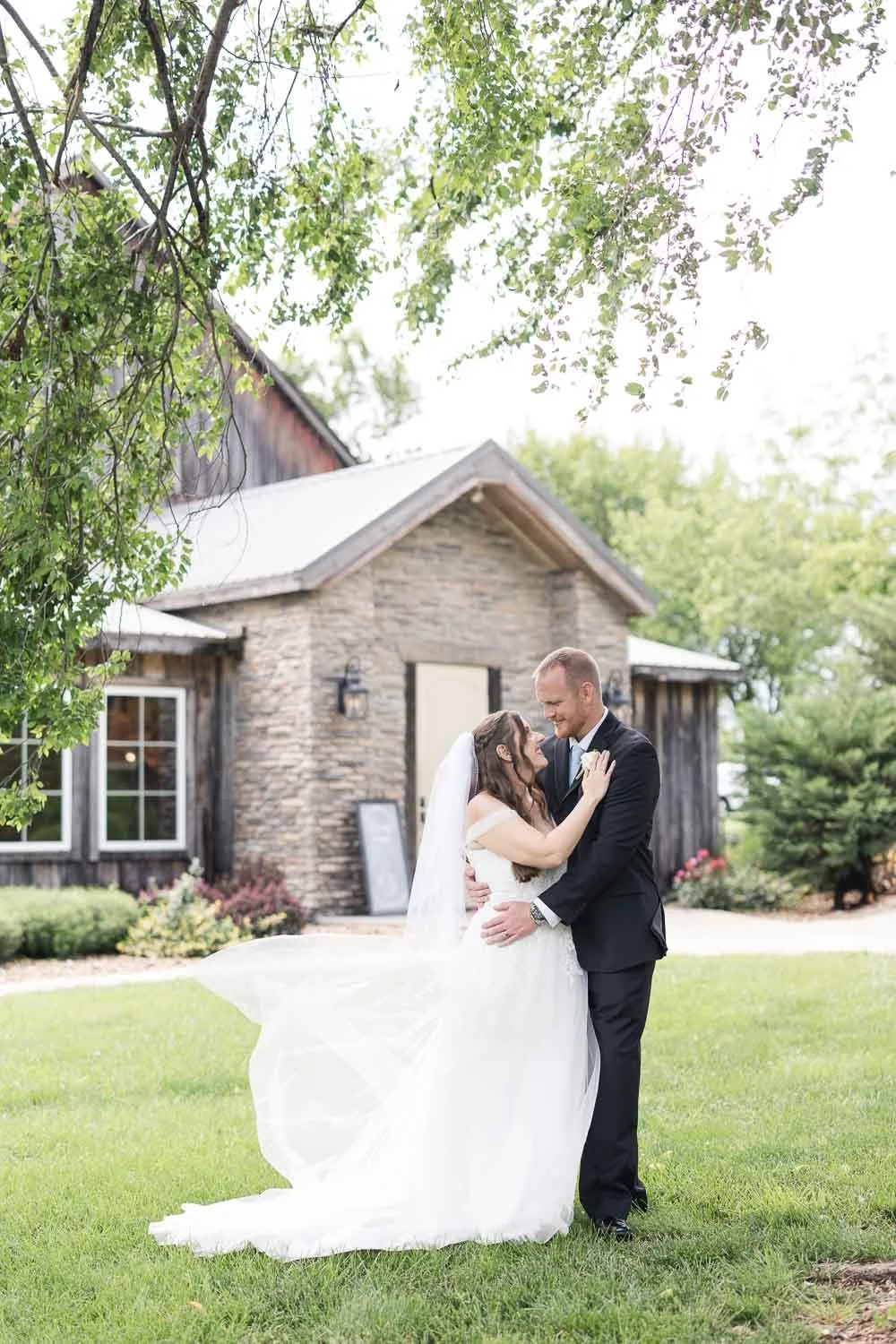
Second Round of Bride & Groom Portraits
After family photos, I almost always plan for a second round of bride and groom portraits before heading into the reception. This gives us:
A breather after the ceremony
Fresh energy
Often better or more even lighting
It’s also usually when I’m helping bustle the dress before we head inside — a skill I’ve gotten more efficient at with every wedding.
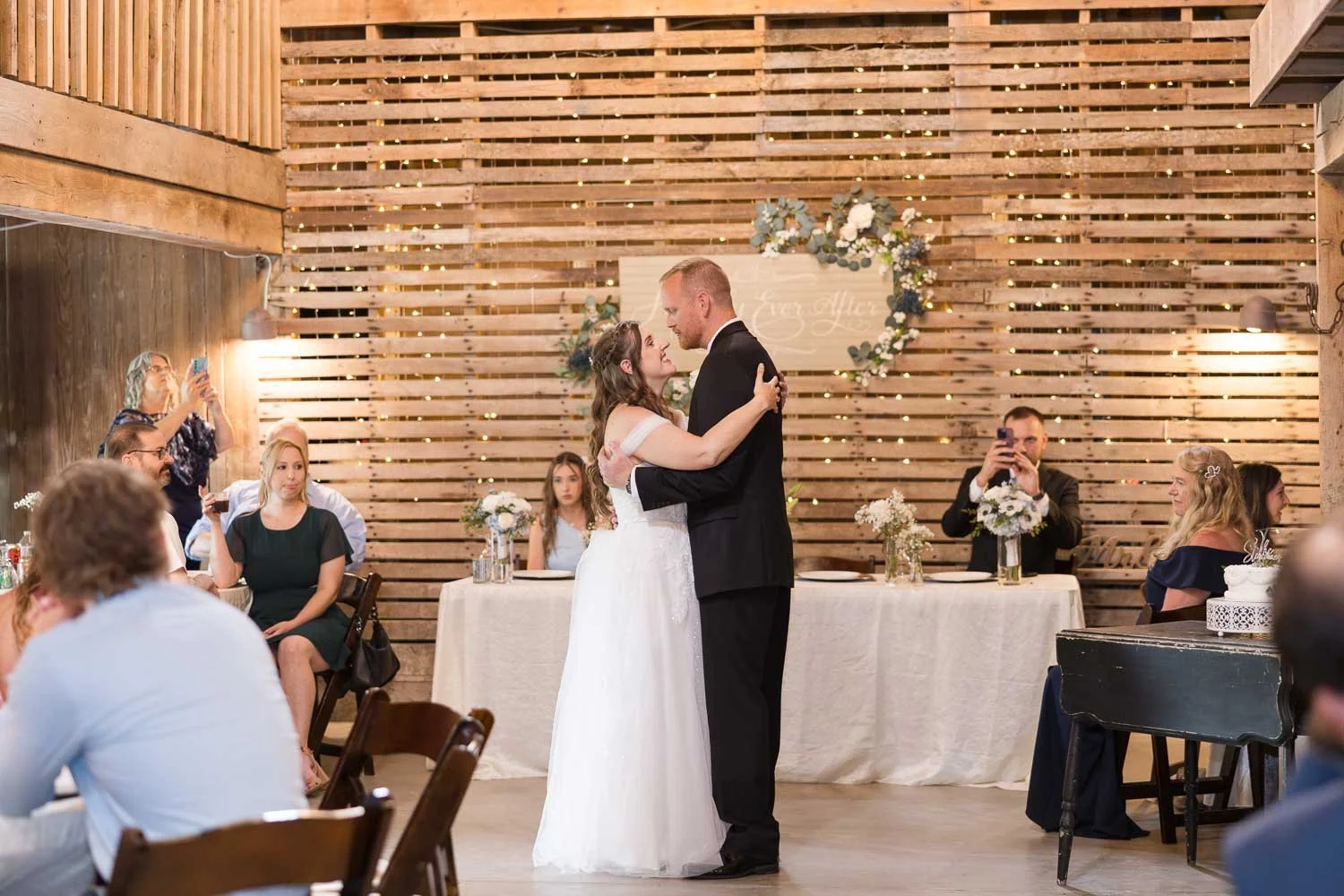
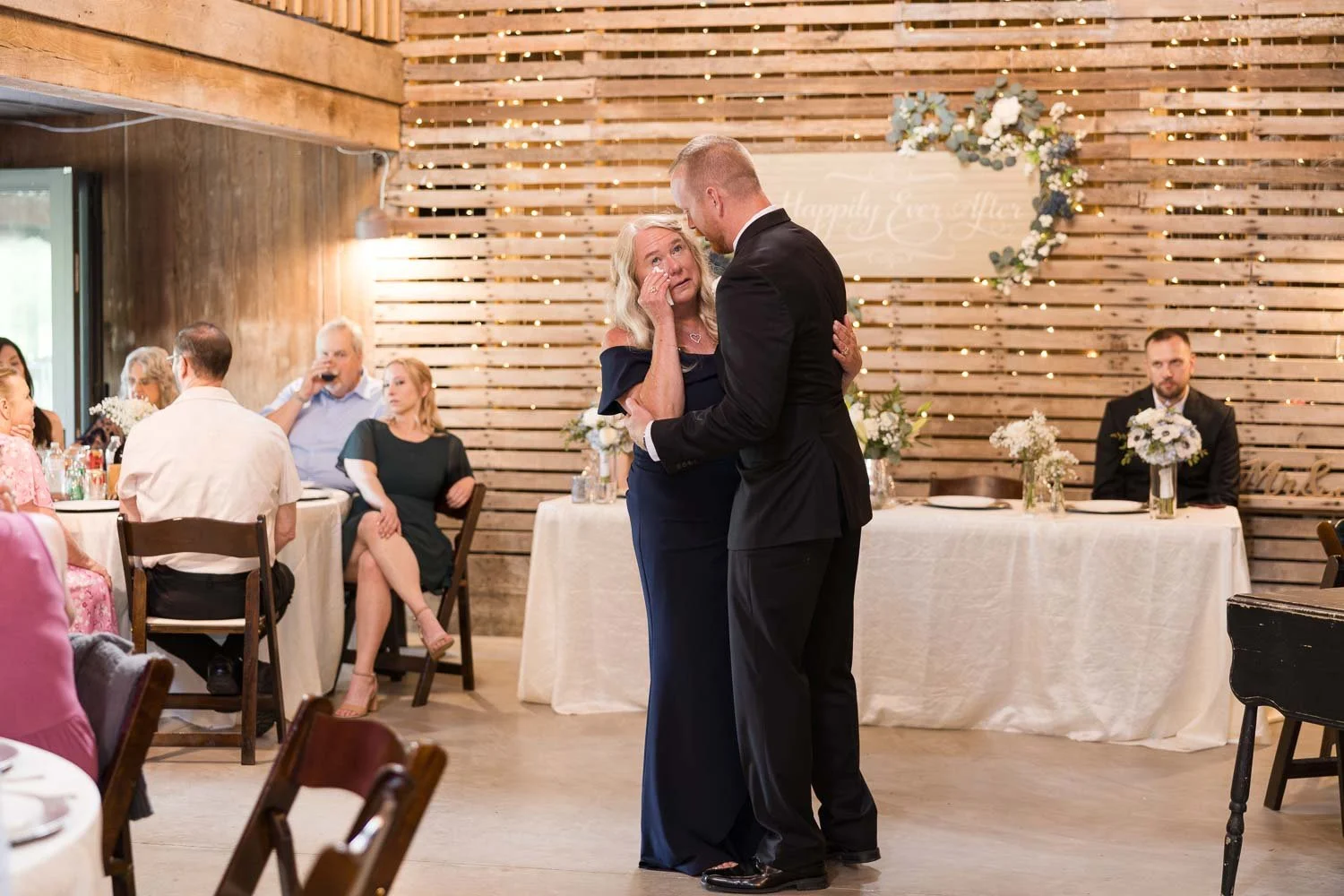
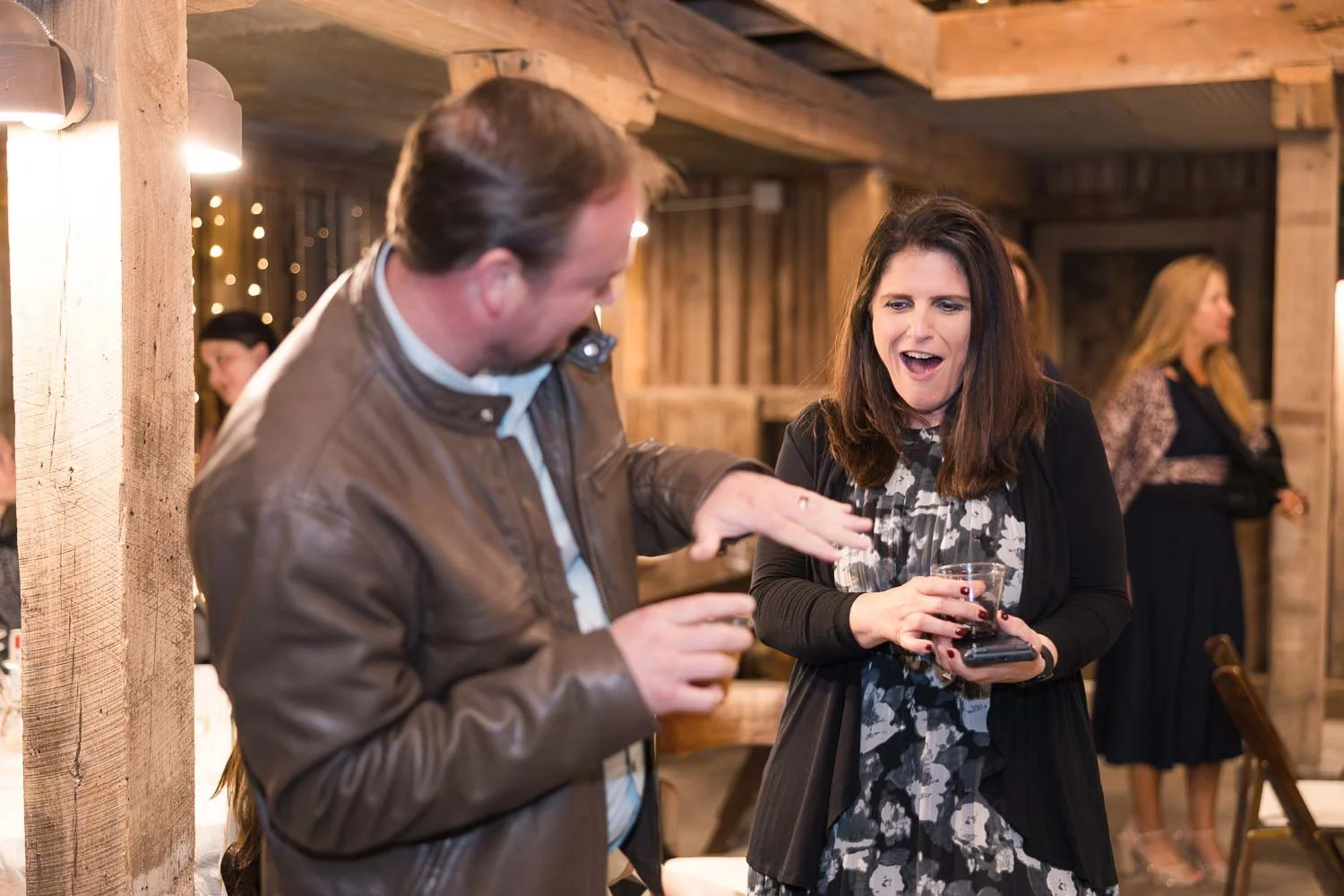
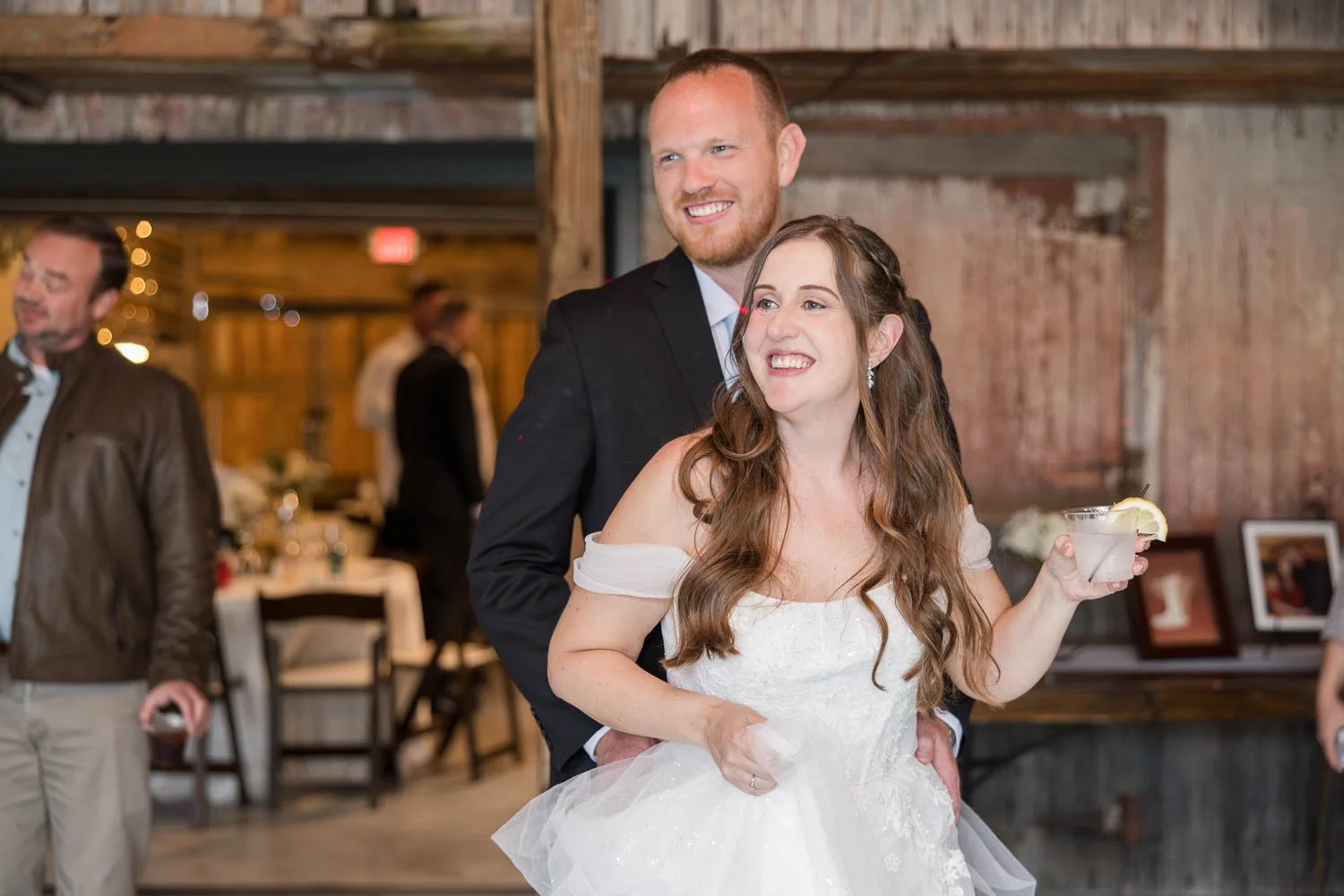
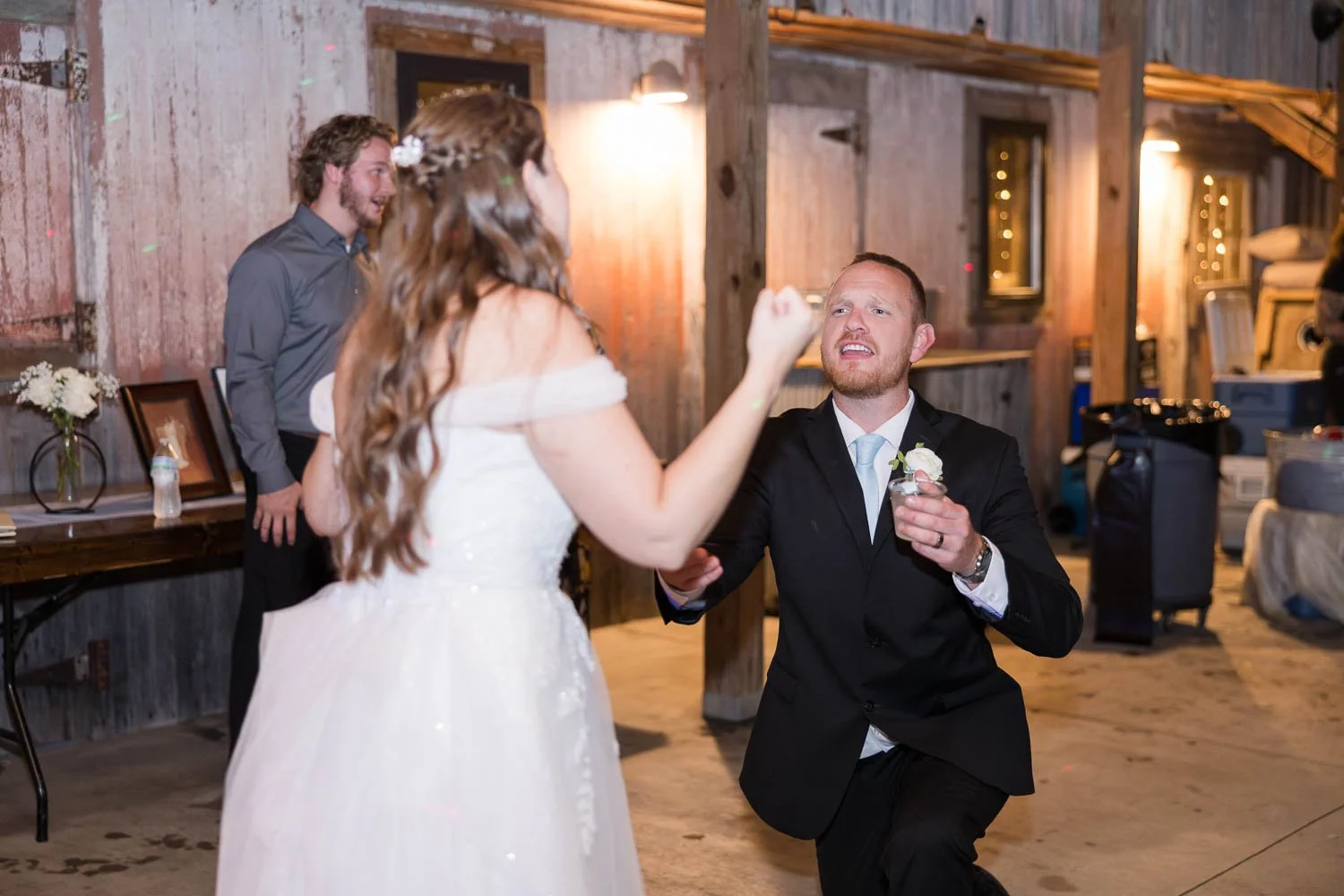
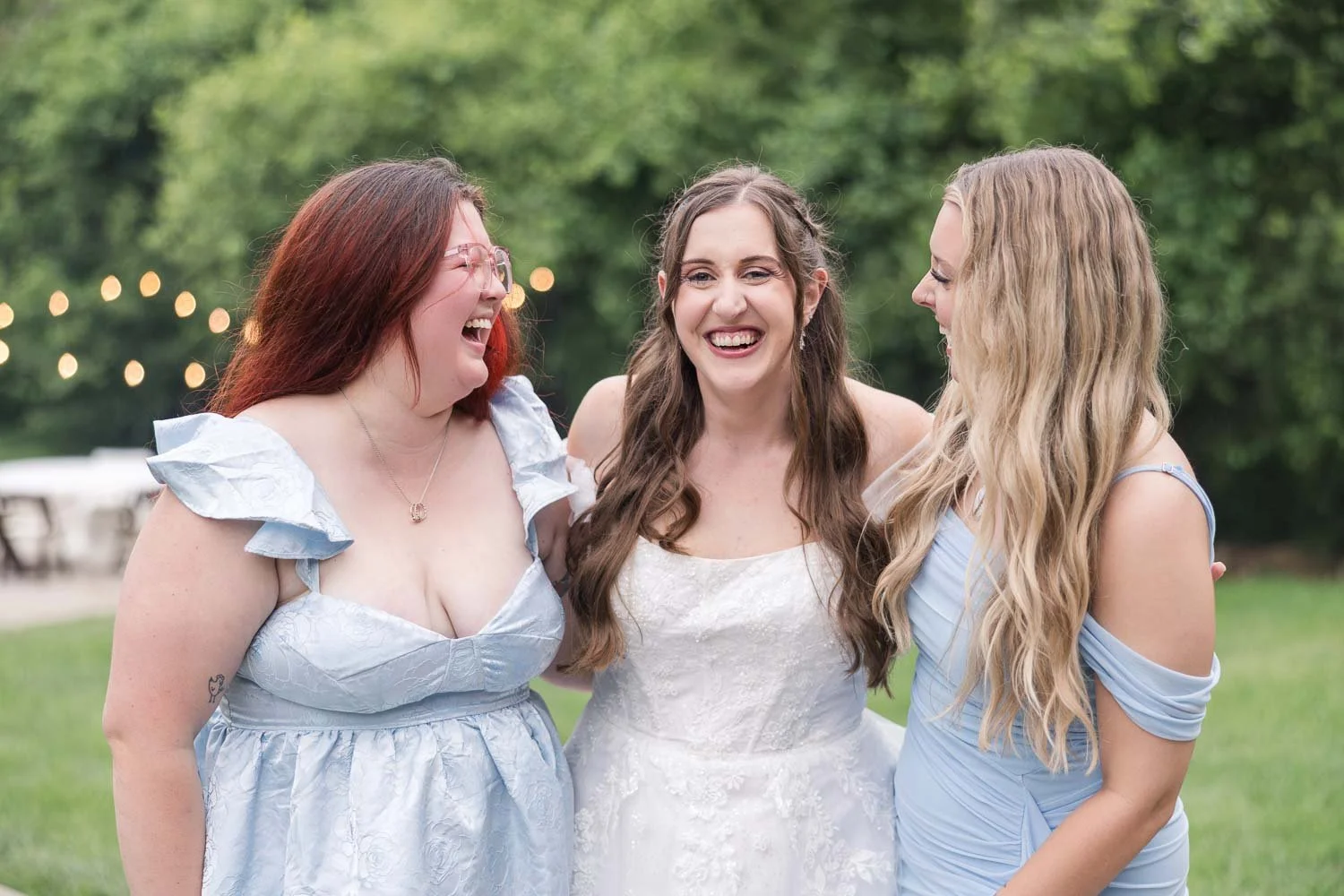
Reception Coverage
During the reception, I focus on:
Entrances
First dances
Toasts
Cake cutting
Candid interactions and dance floor energy
Once open dancing begins, most unique moments tend to happen within the first 30–60 minutes. After that, coverage depends on how long the couple wants me there and what events are planned.
After the Wedding Ends
When I get home, the work isn’t done yet. As soon as possible, I:
Back up all memory cards to an external hard drive
Make sure online backups are scheduled
If I have the energy, start culling images and run a first round of edits through Imagine AI
Backing everything up immediately is non-negotiable — it’s one of the most important parts of my process.
Final Thoughts
A wedding photographer’s job goes far beyond the hours listed in a package. It’s preparation, anticipation, problem-solving, organization, and care — all wrapped into one long, meaningful day. My goal is always to show up calm, prepared, and fully present so couples can focus on what actually matters.