
How to Plan a Calm Wedding Day Timeline
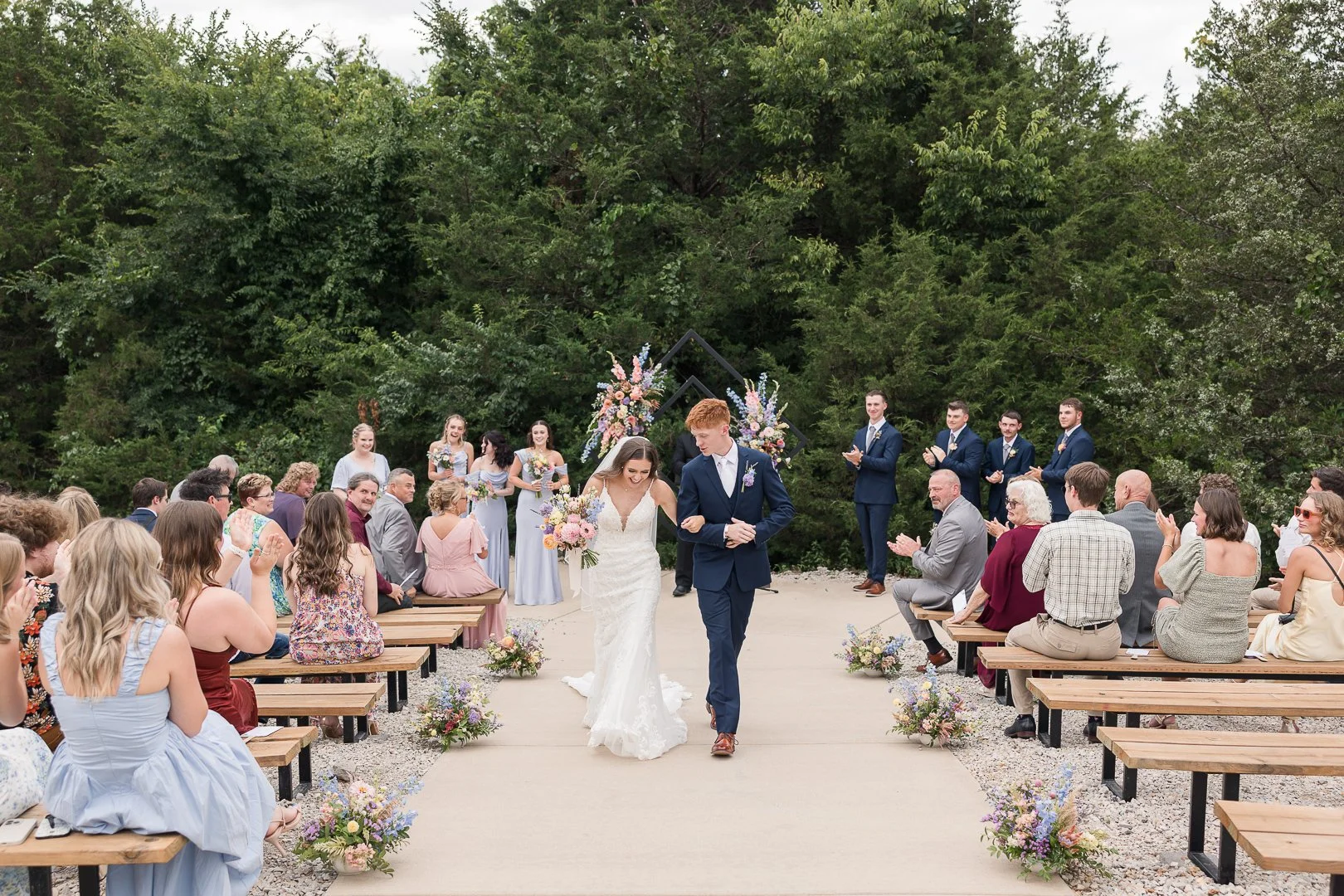
One of the biggest differences between a wedding day that feels joyful and one that feels stressful usually comes down to one thing:
the timeline.
A calm wedding day isn’t about packing in more events or squeezing every possible moment into the schedule. It’s about intentional pacing — giving yourselves room to breathe, be present, and actually enjoy what you planned. Here’s how I recommend building a wedding day that feels calm instead of rushed.
Start With Sunset Time
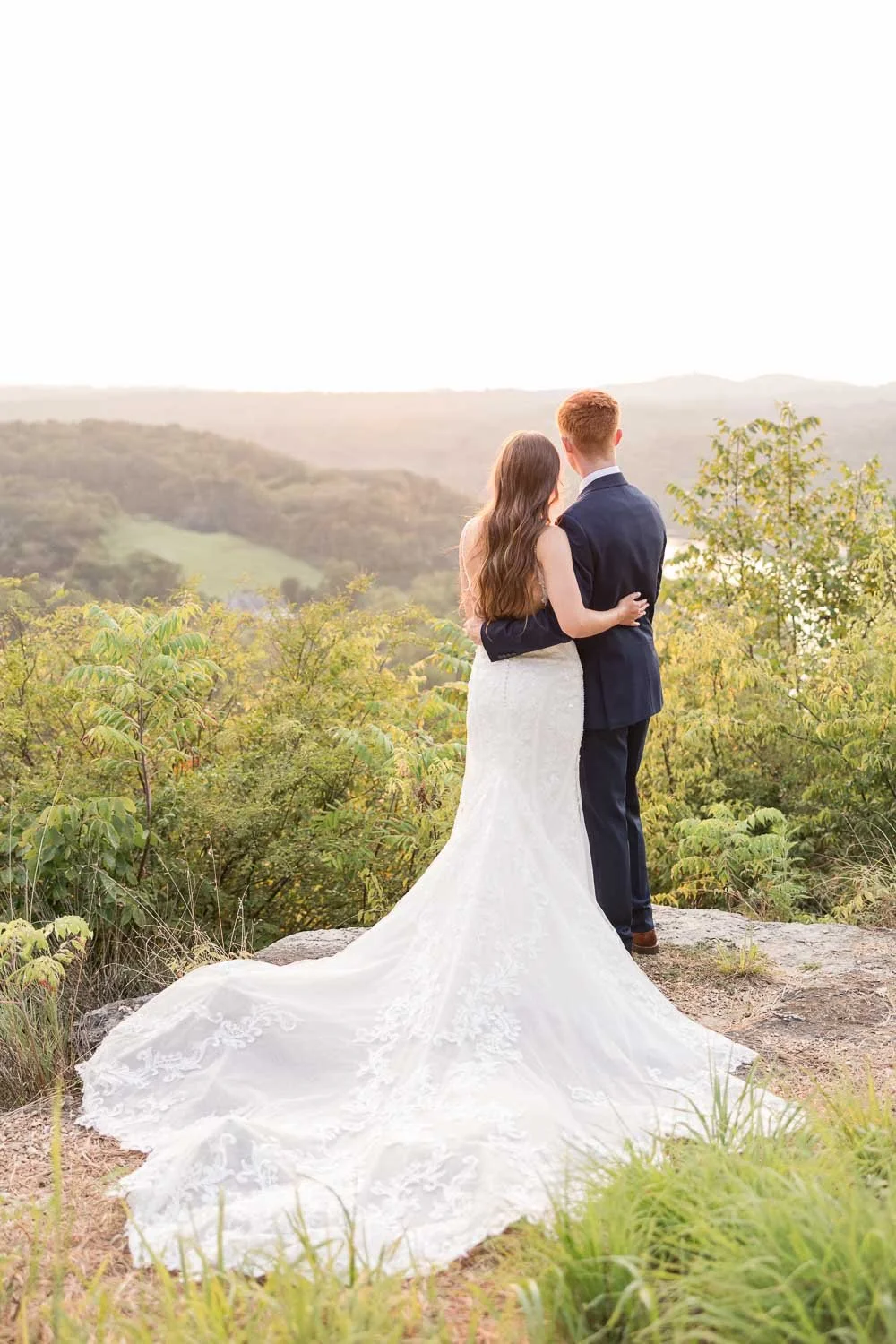
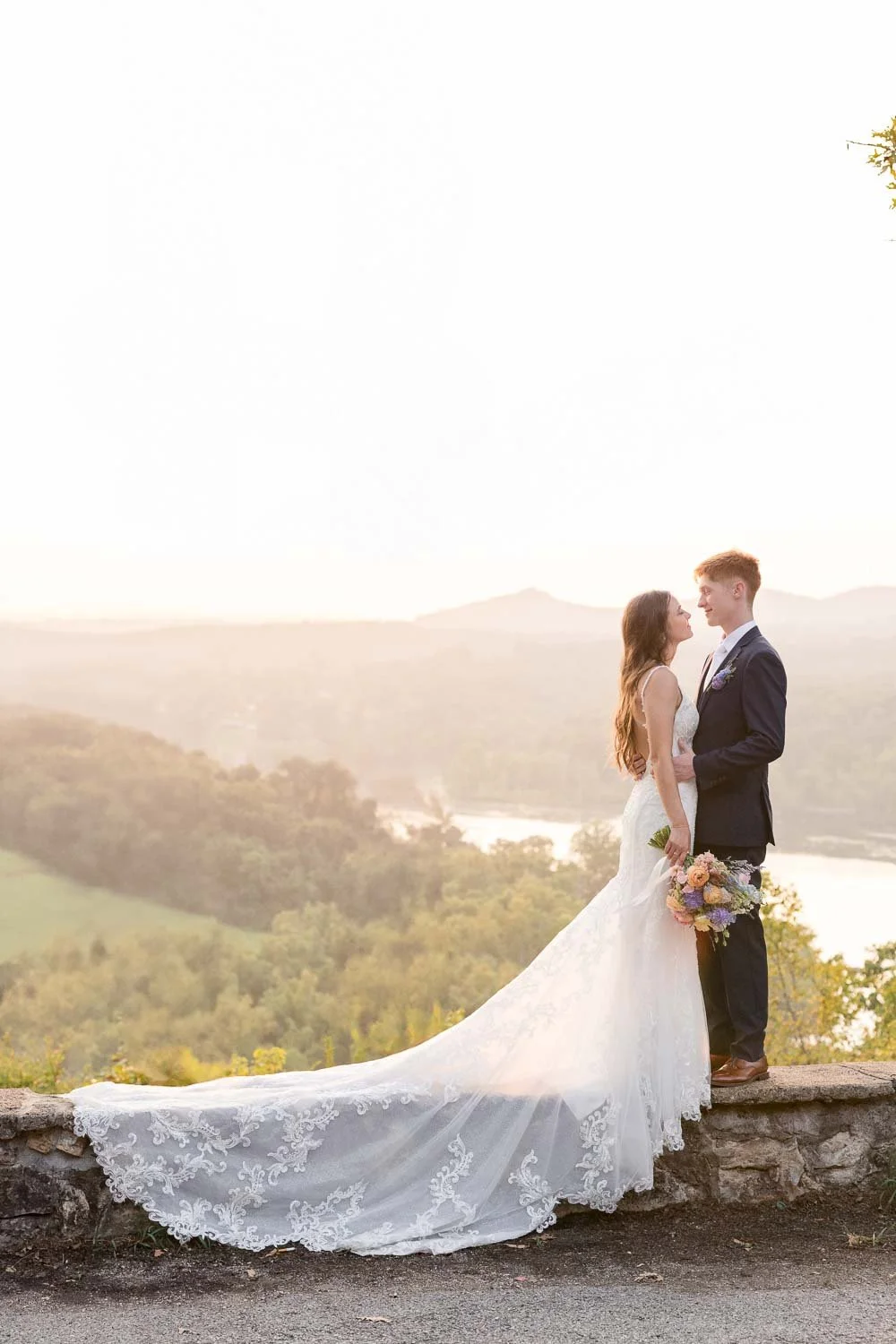
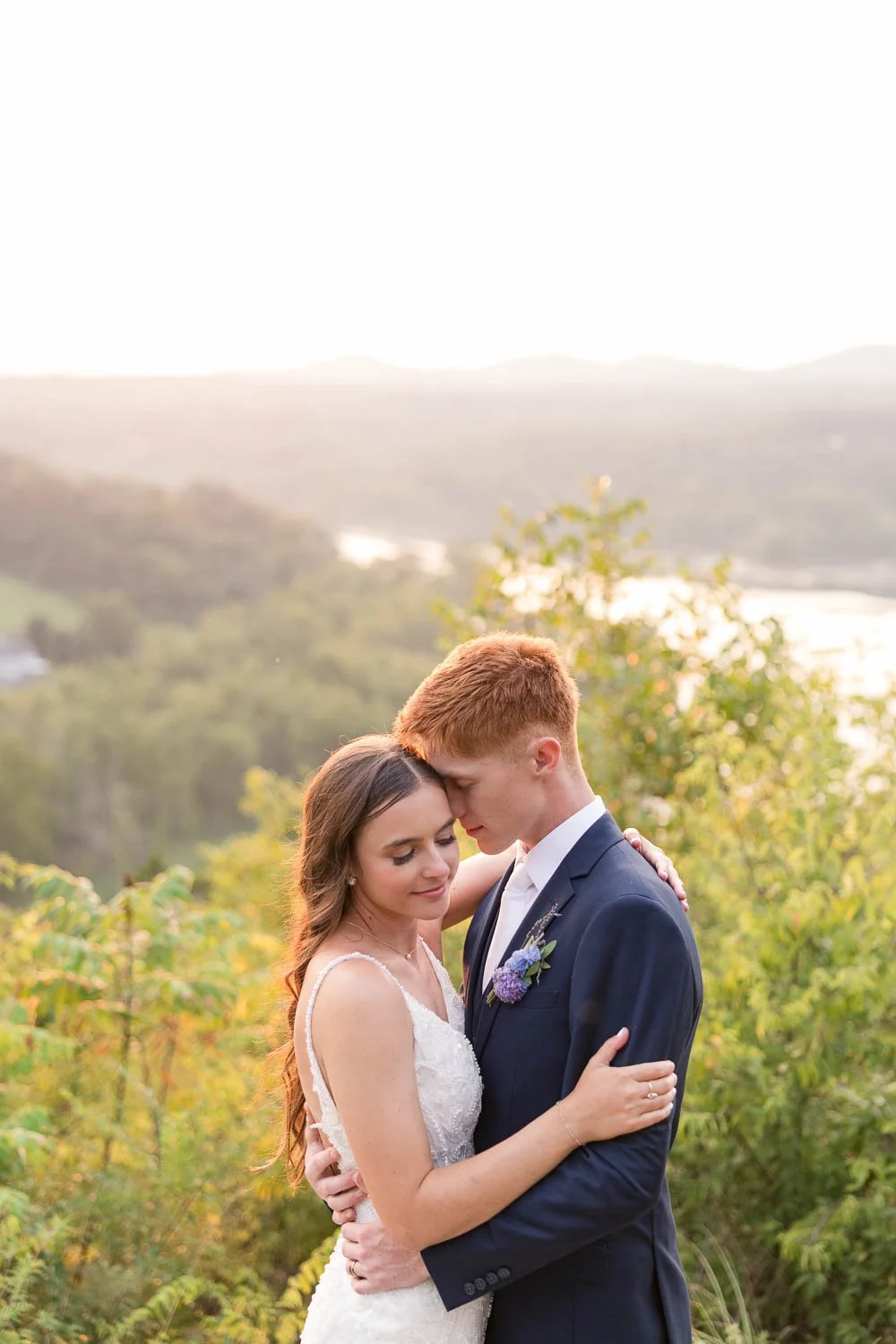
Before you finalize anything else, look up the sunset time for your wedding date. Sunset determines:
When the best natural light will be
How late outdoor portraits can realistically happen
Whether golden hour photos are possible before or during the reception
From a photography perspective, this is one of the most important anchors for the entire day.
Decide If You Want a First Look
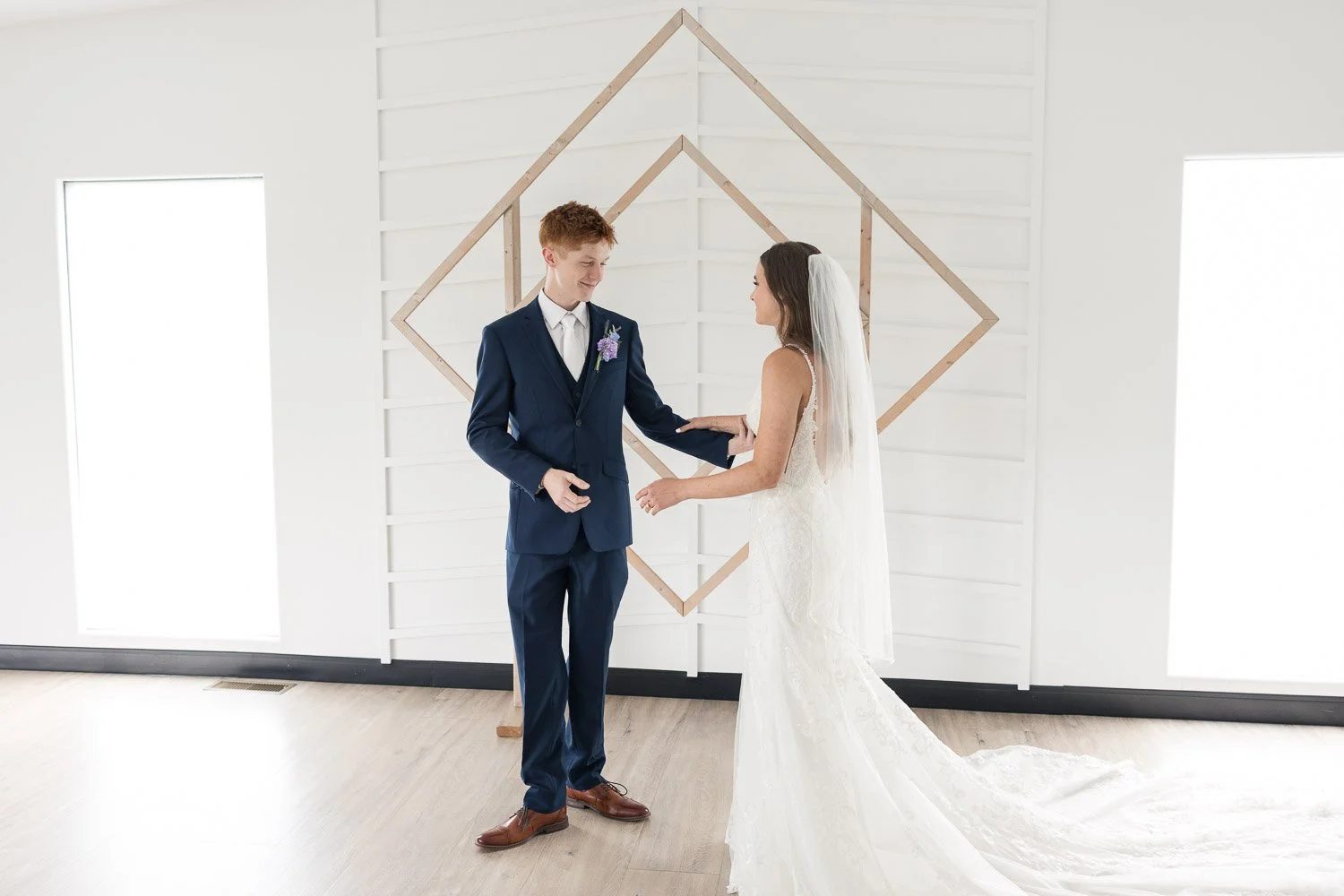
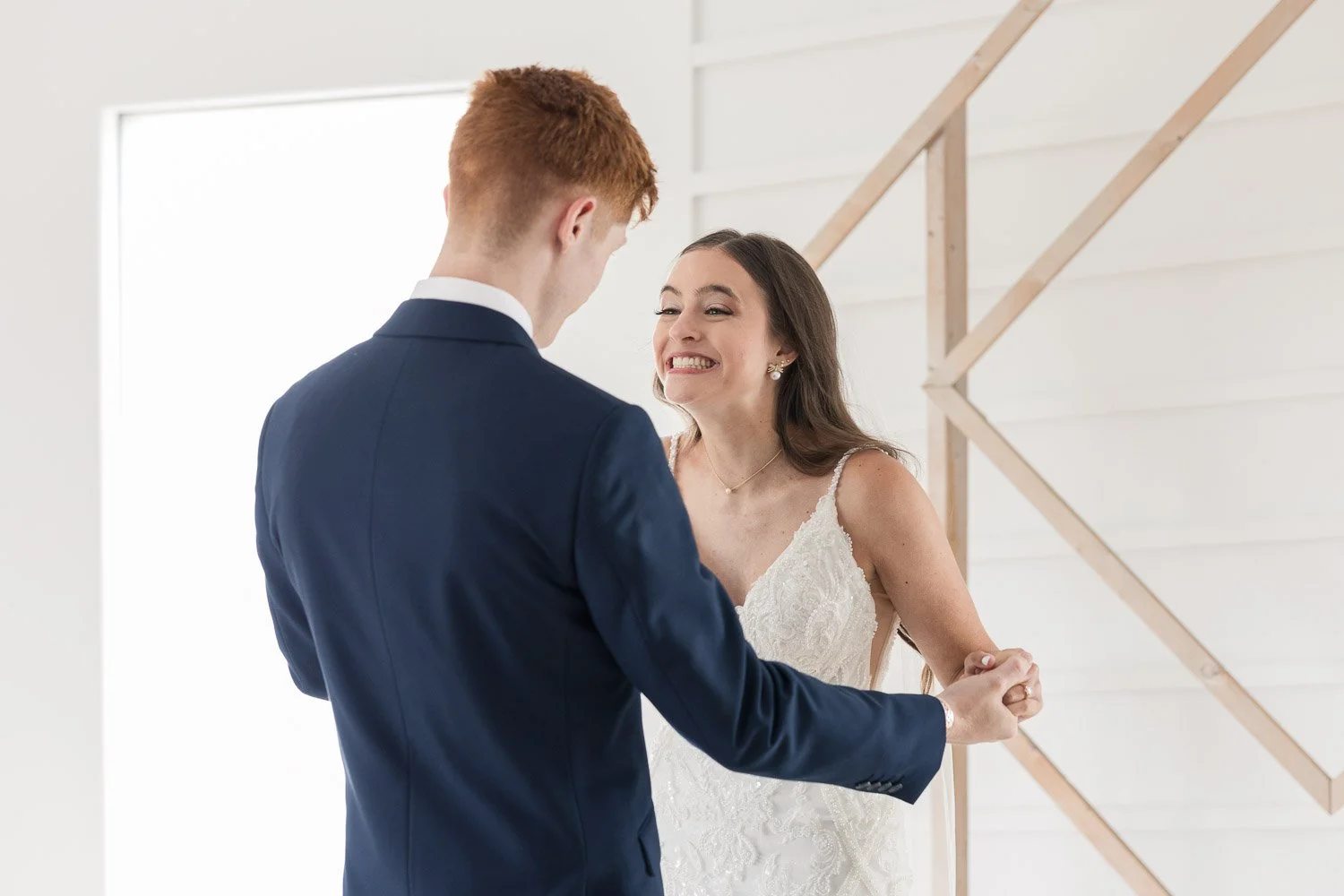
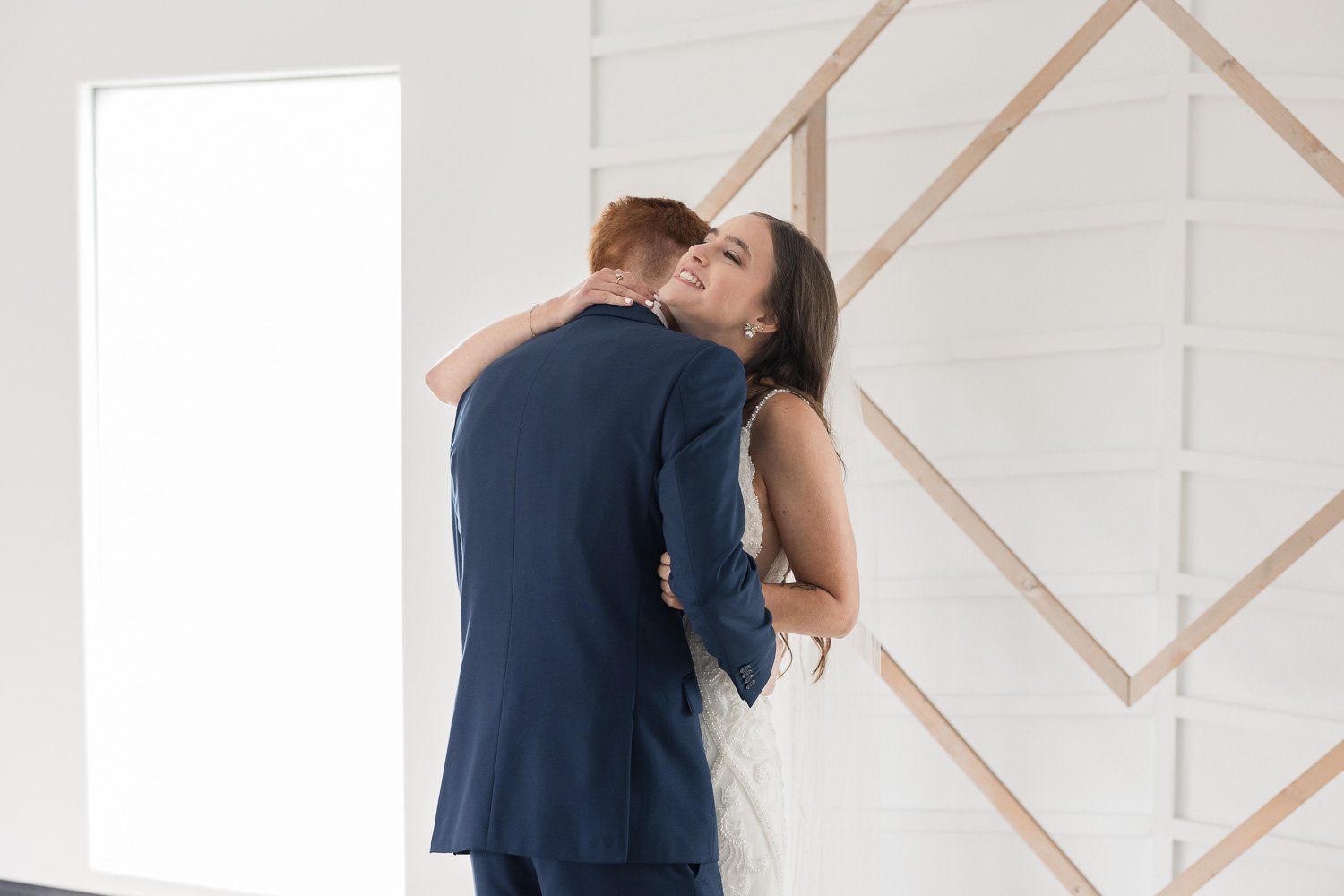
Whether or not you do a first look plays a huge role in how your day flows. A first look can:
Spread photos out more evenly
Reduce pressure after the ceremony
Allow more flexibility with timing
Skipping a first look often means:
More photos after the ceremony
A tighter portrait window
Greater reliance on sunset timing
There’s no “right” choice — but once this decision is made, the rest of the timeline becomes much clearer.
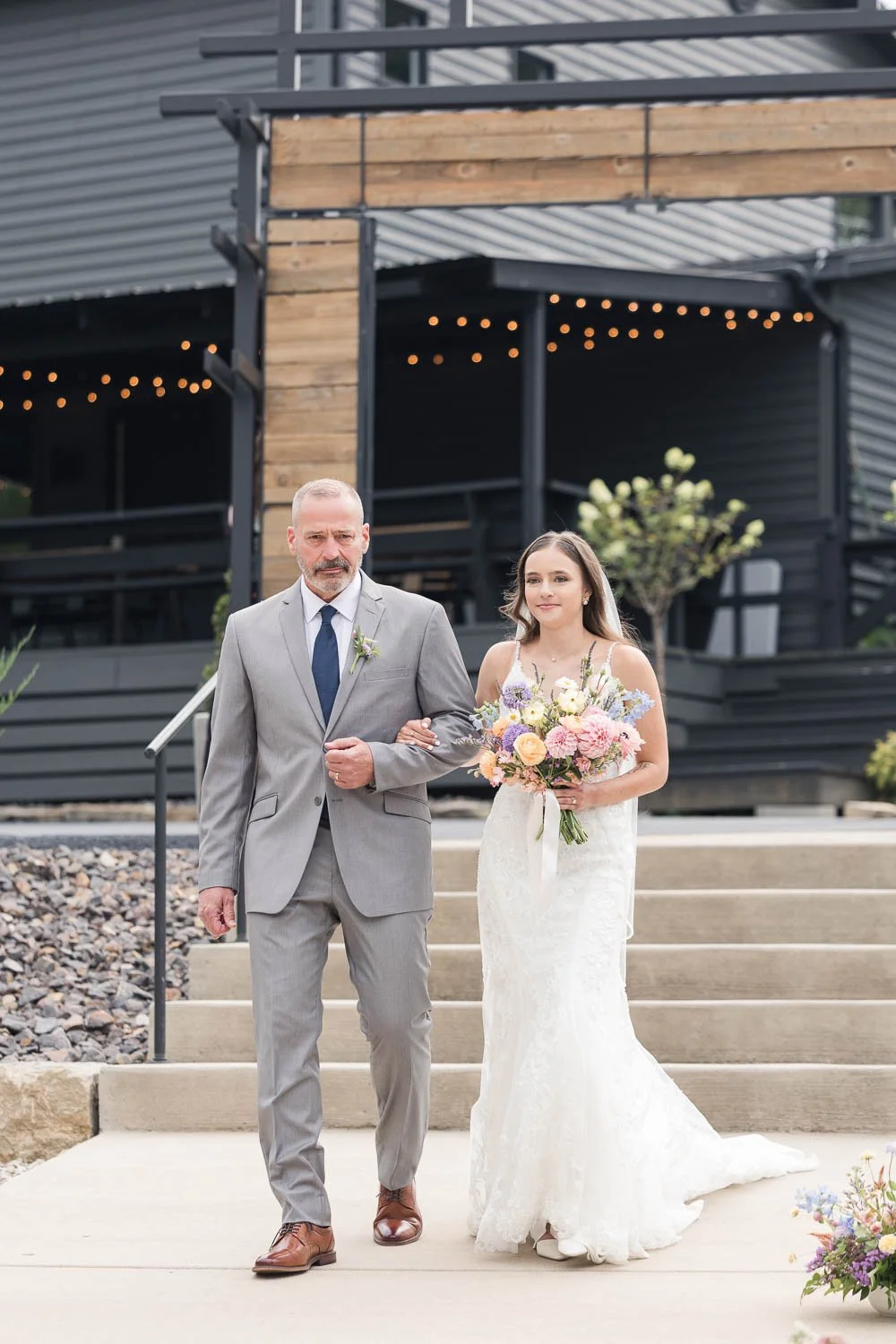
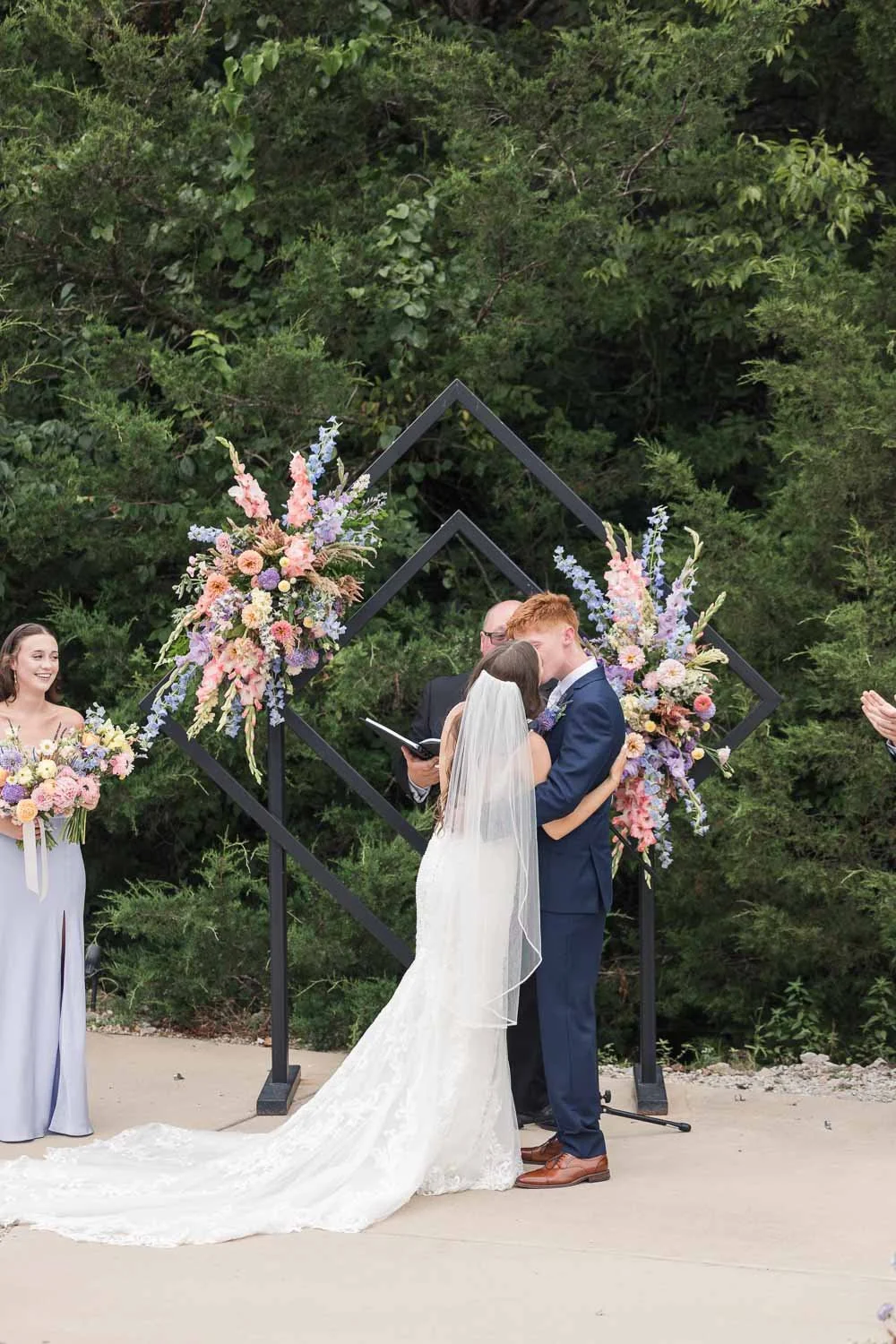
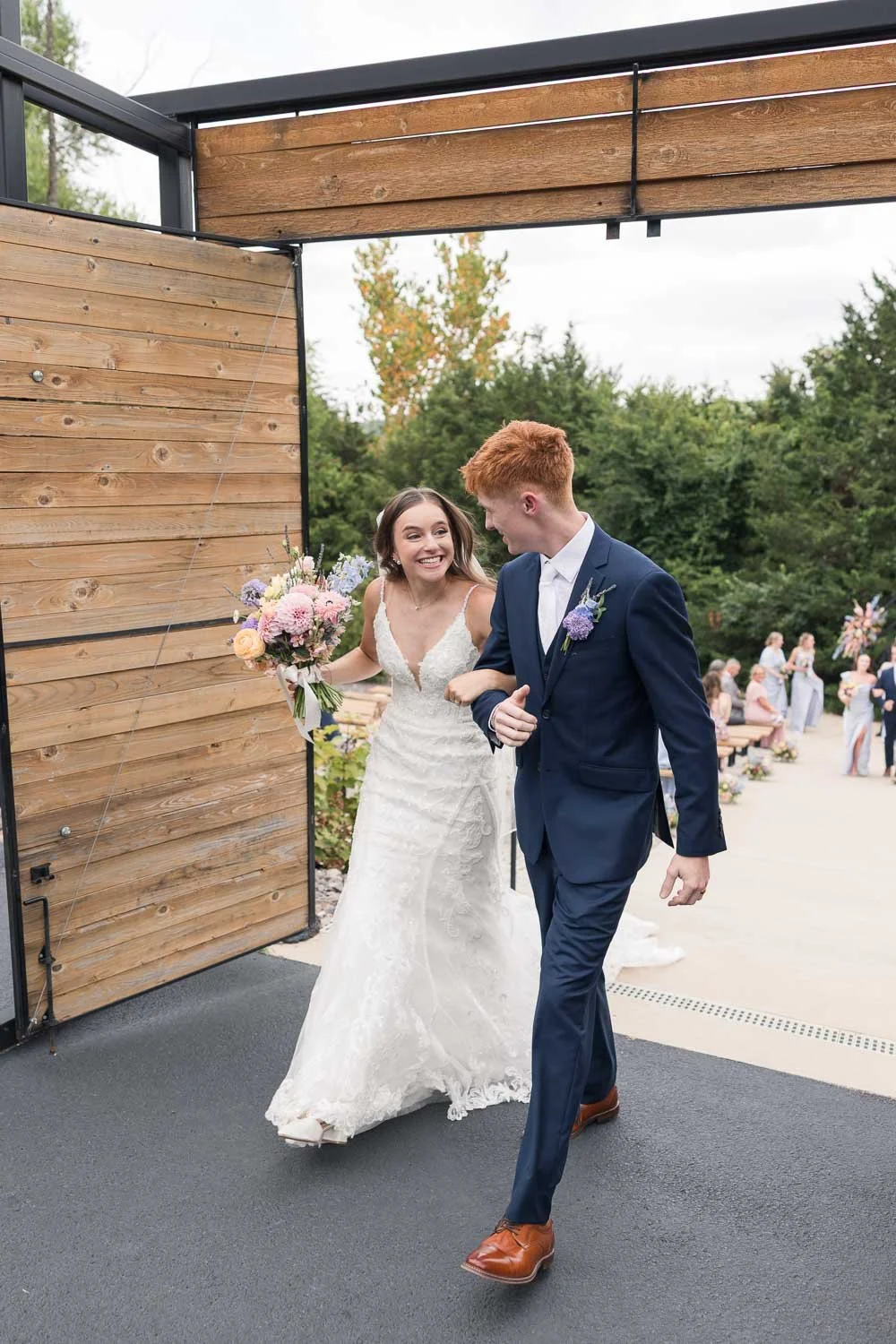
Choose a Ceremony Time That Supports Your Priorities
Once you know your sunset time and whether you’re doing a first look, you can choose a ceremony time that actually works for you. If bride and groom portraits matter most, you’ll want:
Golden hour portraits before the ceremony or
Time to step away during the reception for sunset photos
Planning the ceremony around guest convenience alone — without considering light — often leads to rushed portraits or missed opportunities later.
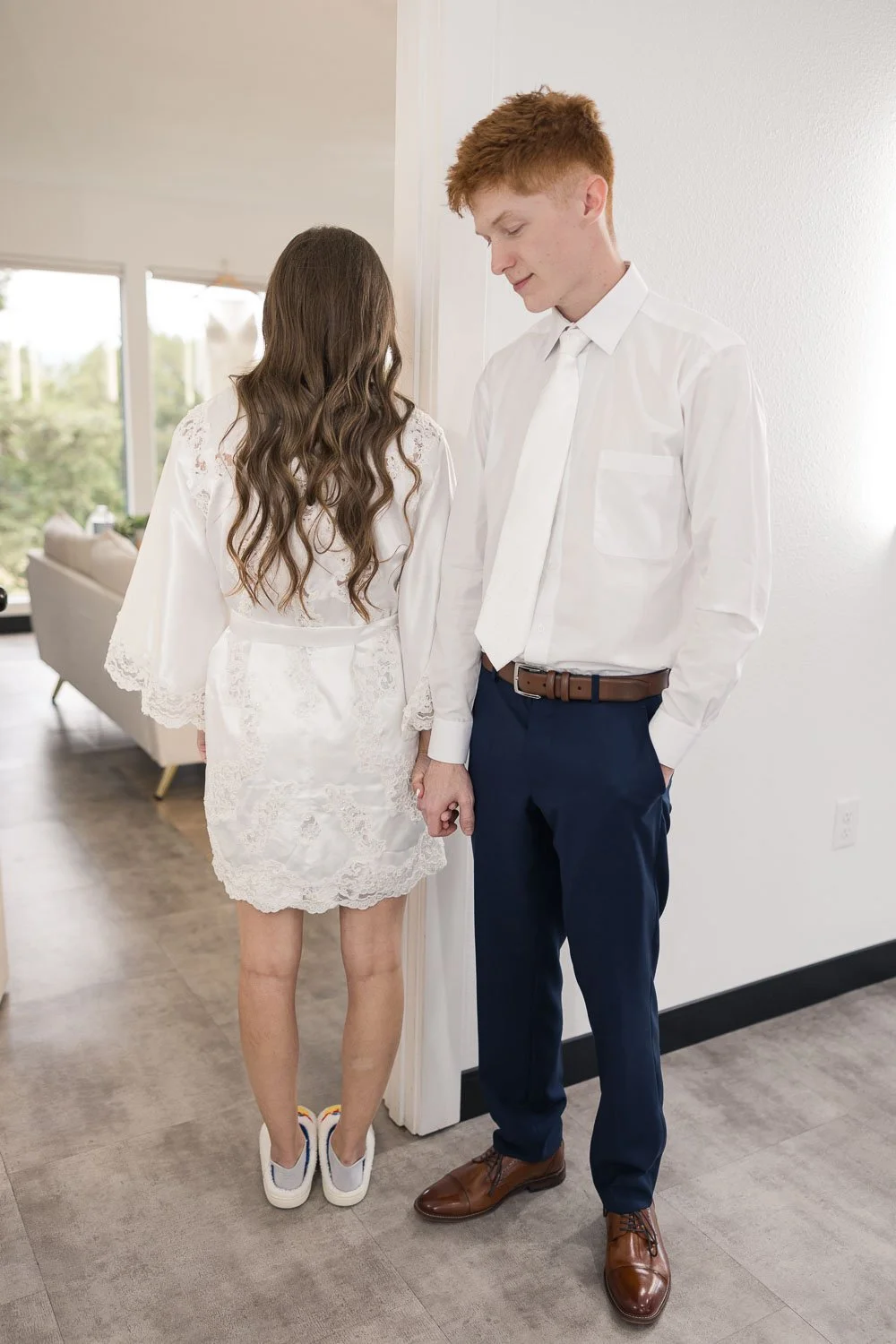
Build in Buffer Time (More Than You Think You Need)
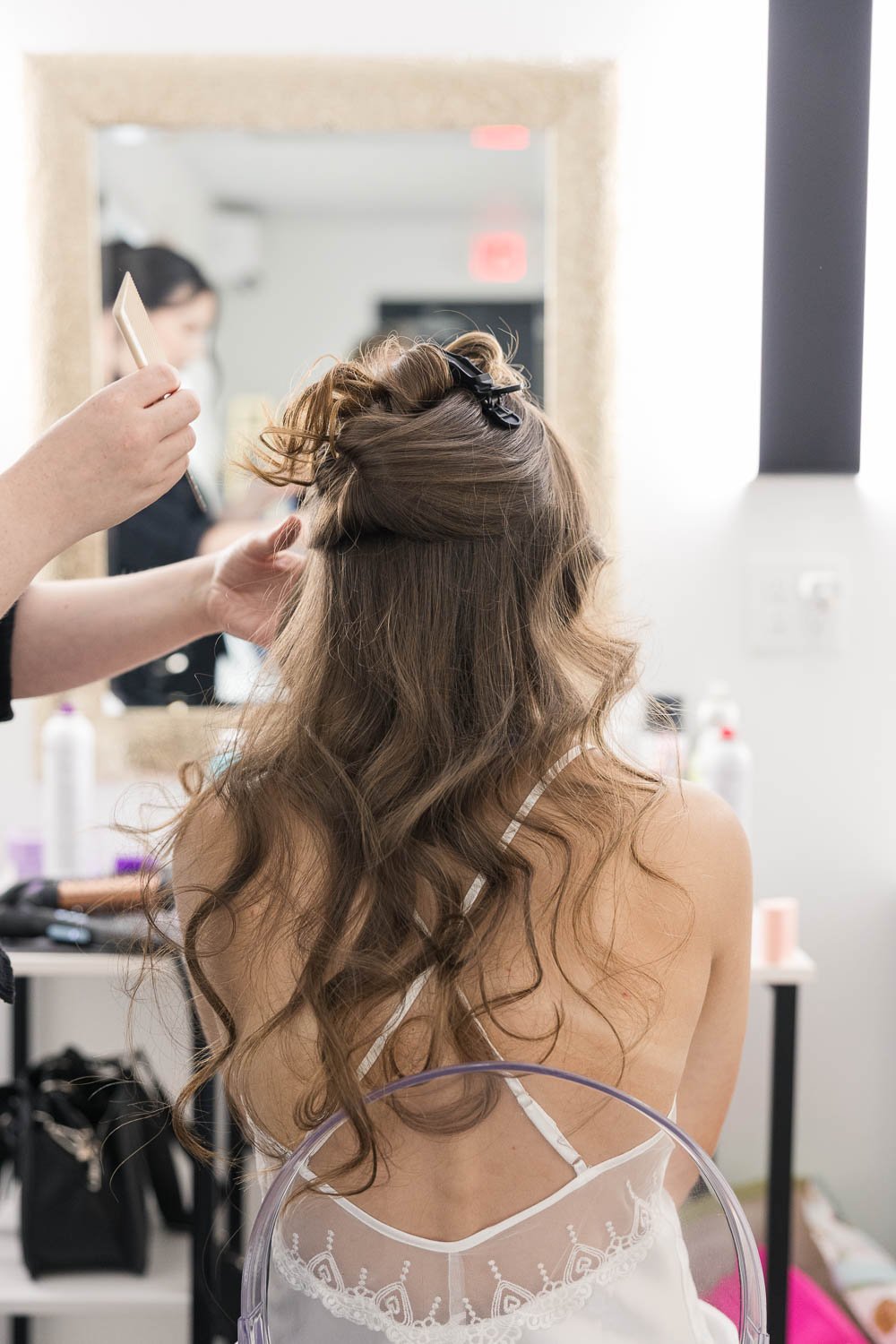
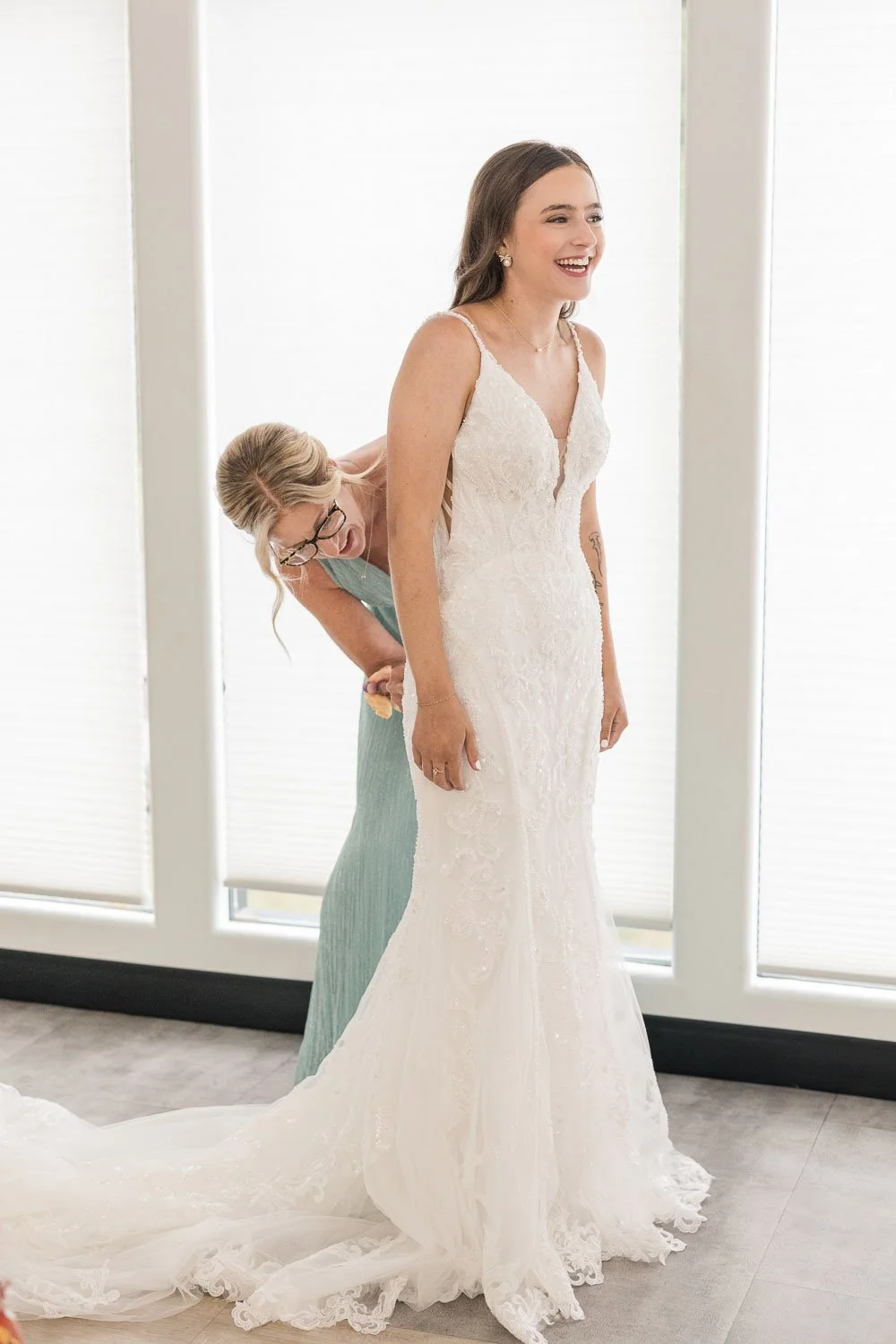
Almost every wedding day runs a little behind — and that’s normal. Hair and makeup take longer. Family members wander off. Transportation runs late. Building buffer time into your schedule:
Keeps stress low
Prevents rushing between moments
Gives flexibility when things don’t go exactly as planned
A calm timeline assumes things won’t be perfect — and plans for it.
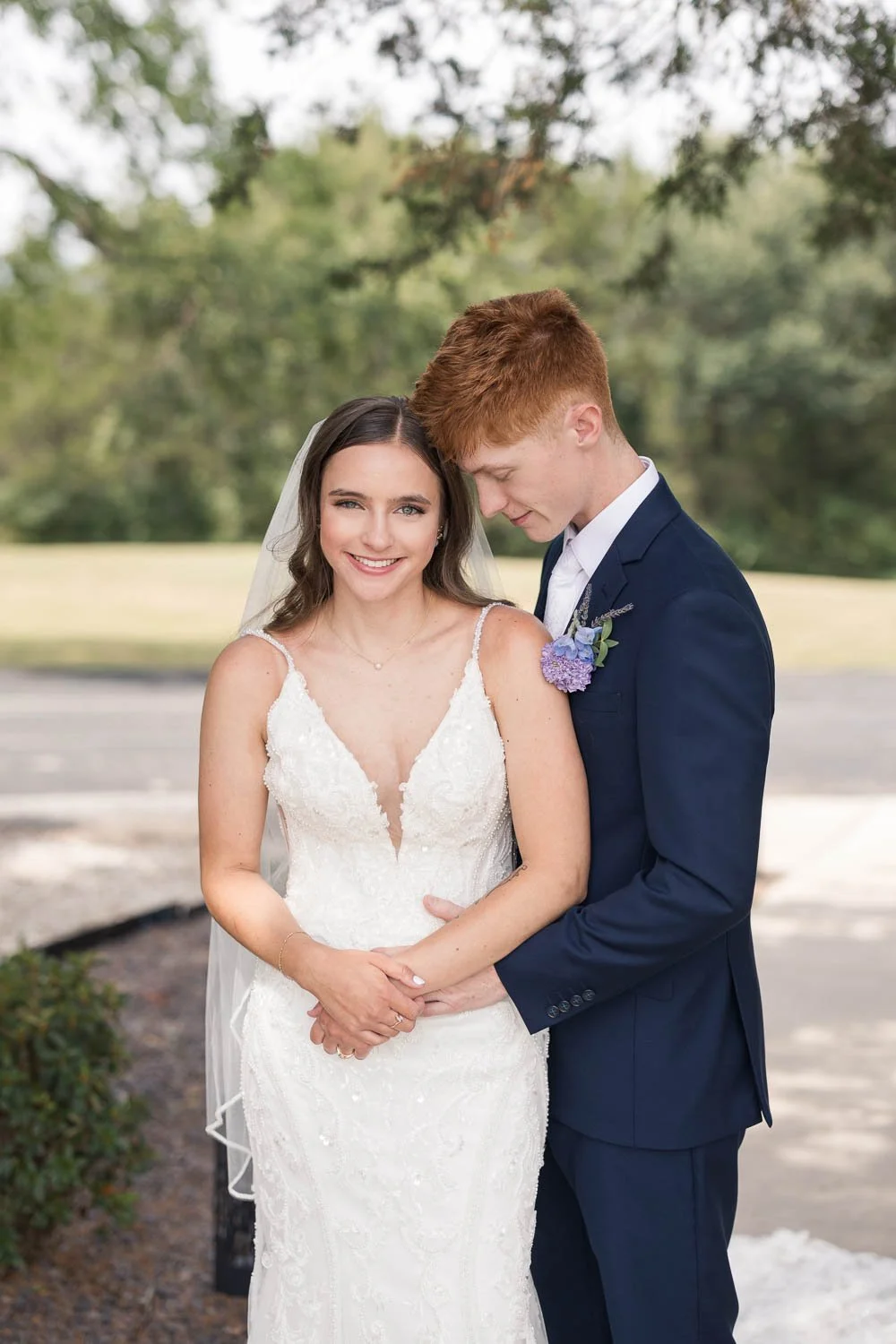
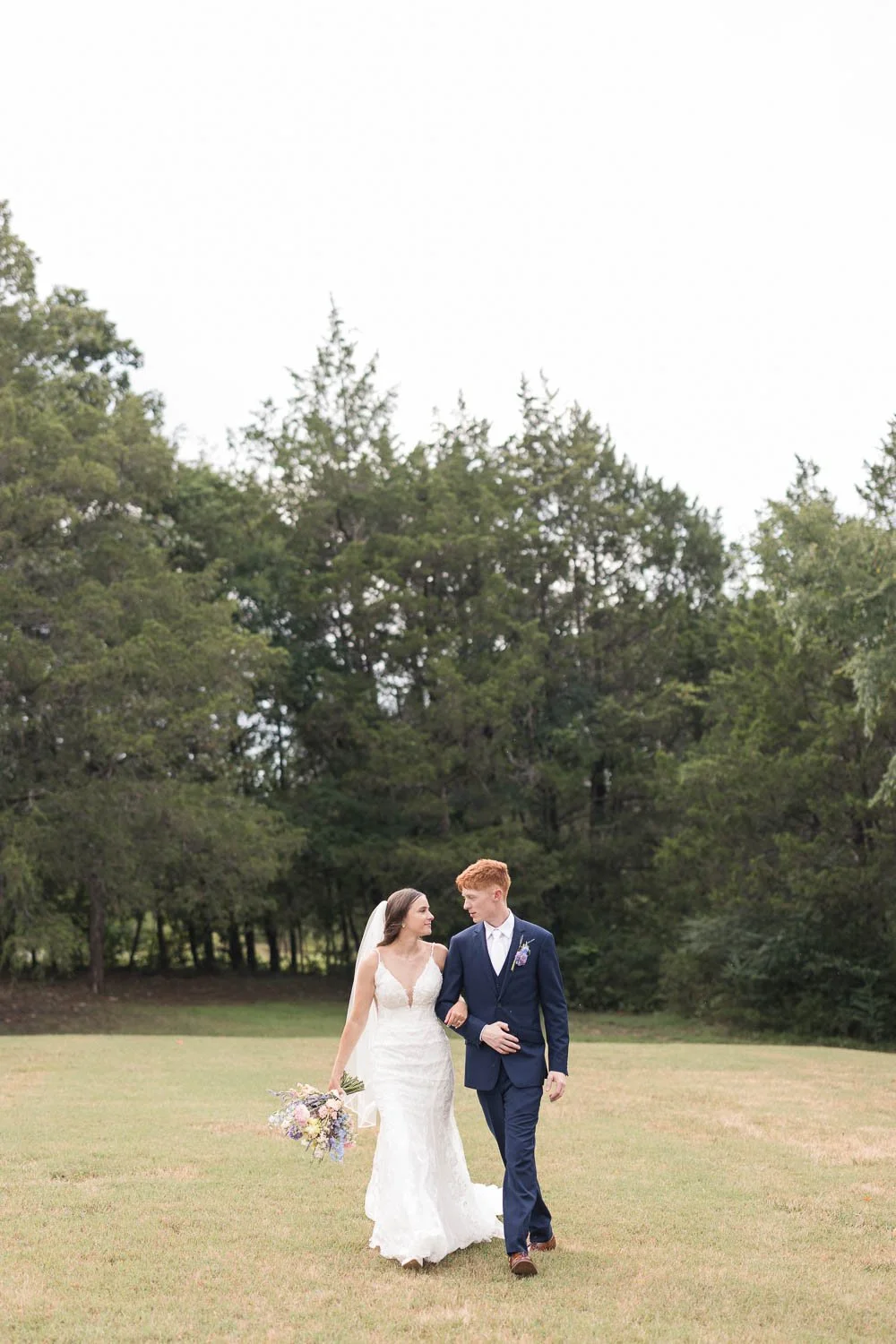
Stop Photos 30–45 Minutes Before the Ceremony
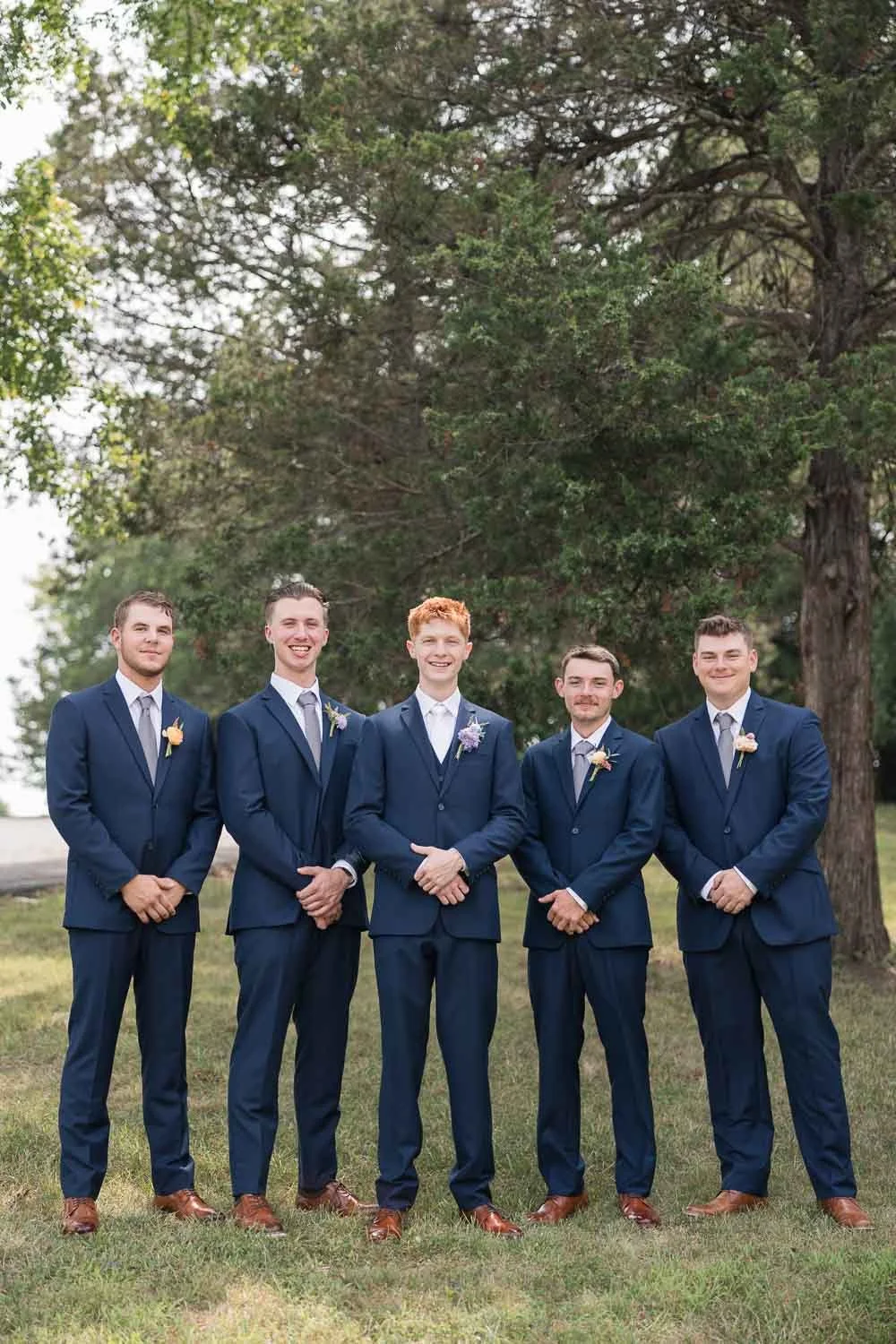
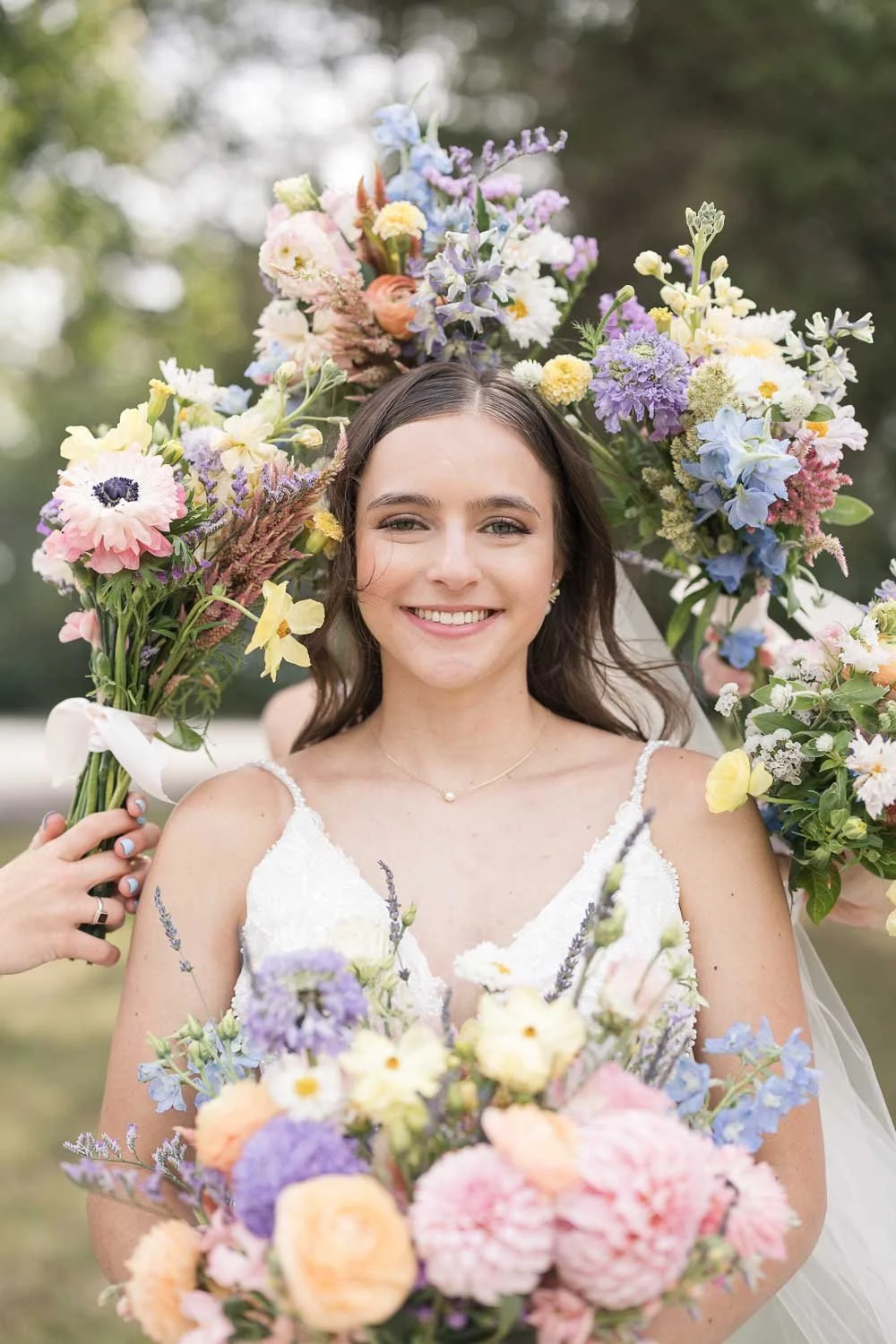
One of my biggest recommendations for a stress-free day is to stop all photos 30–45 minutes before the ceremony. This gives you time to:
Freshen up
Take a breath
Emotionally prepare
Avoid guests arriving mid-portrait session
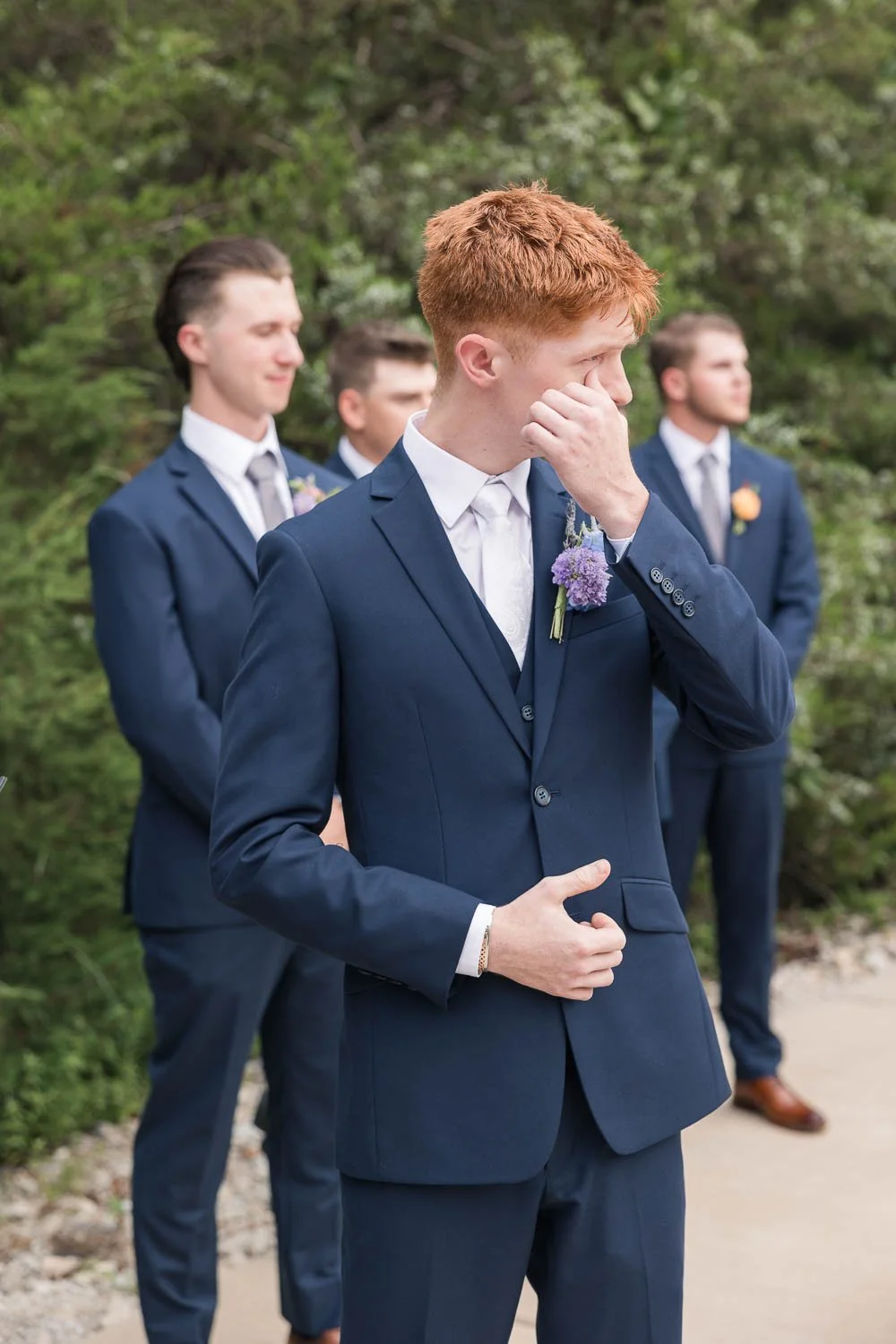
Being tucked away before guests arrive helps you feel more grounded and present when it’s time to walk down the aisle.
Final Thoughts
A calm wedding day doesn’t happen by accident — it’s built intentionally. When you anchor your timeline around light, make clear decisions early, allow buffer time, and give yourselves space before the ceremony, everything tends to flow more naturally. The result is a day that feels less rushed — and photos that reflect that ease and presence.